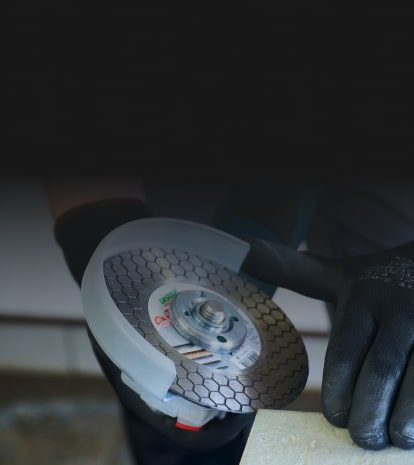
Diamond blades for Angle grinder Distar
45 models


Sort:
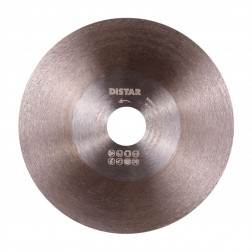
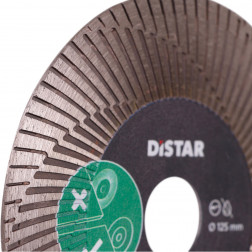
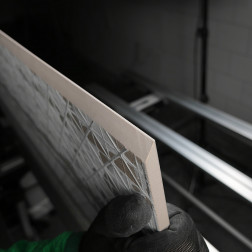
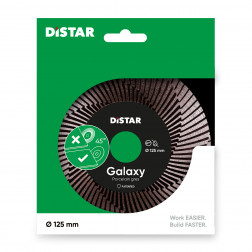

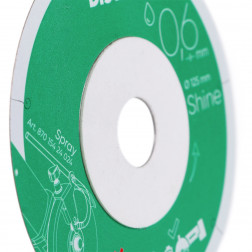
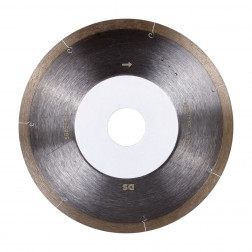
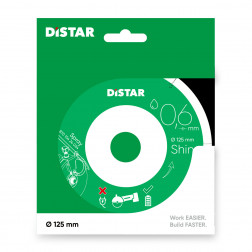
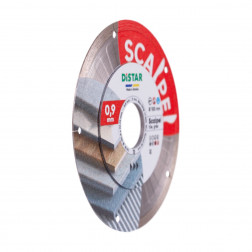
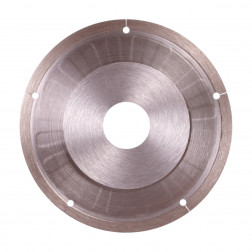
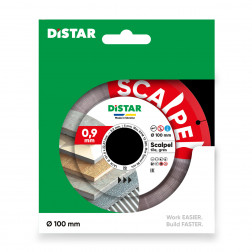
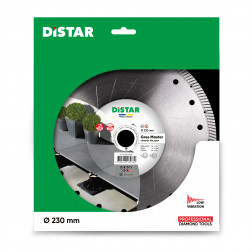
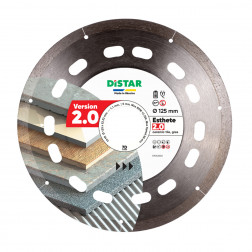

TOP
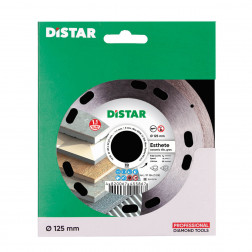
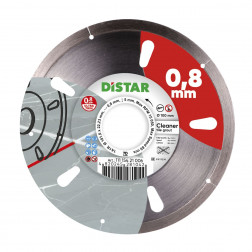
TOP
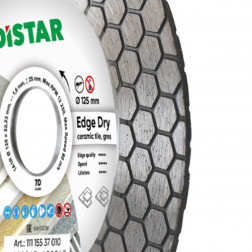
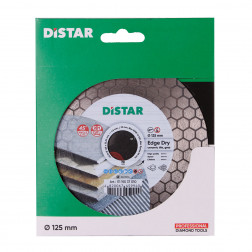
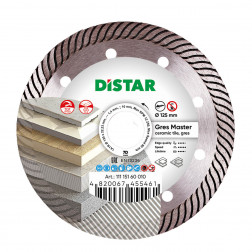
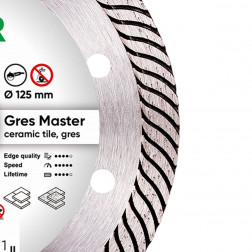
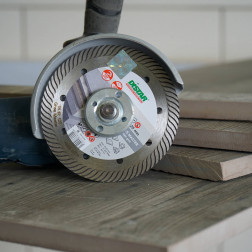
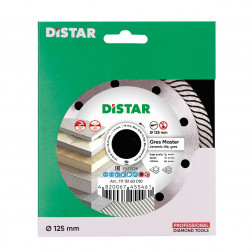
TOP
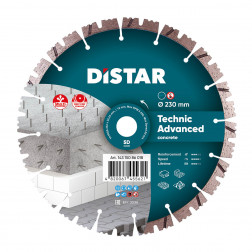
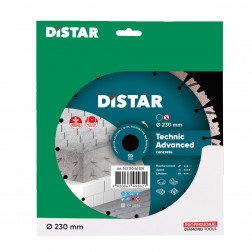
Granite
Reinforced concrete
Paving slabs
115 - 230 mm
TOP
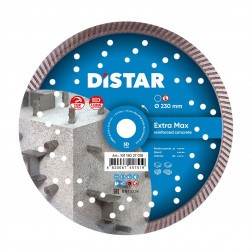
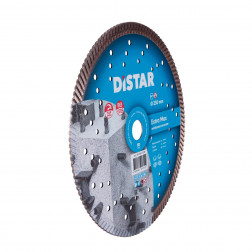
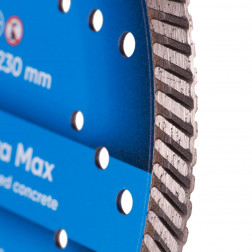
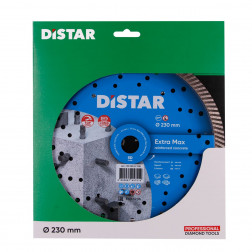
Brick
Reinforced concrete
Highly reinforced concrete
Paving slabs
Clinker, shingles
230 mm
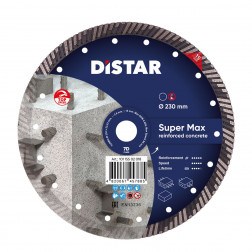

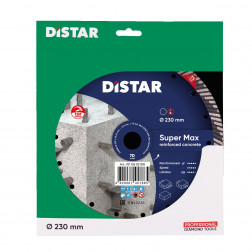
Reinforced concrete
Highly reinforced concrete
Clinker, shingles
230 mm
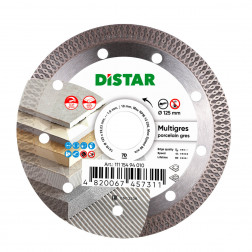
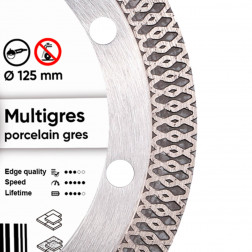
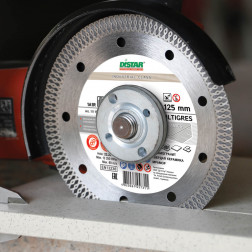
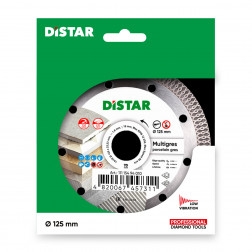
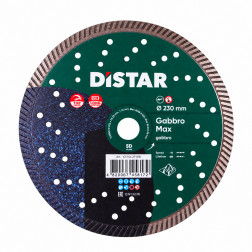
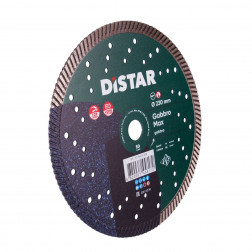
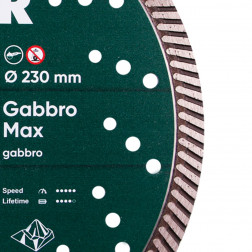
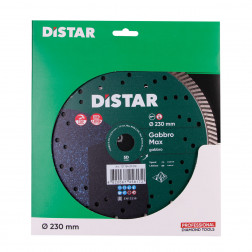
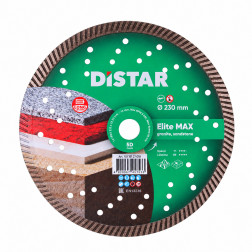
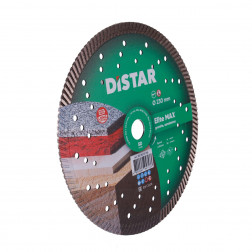
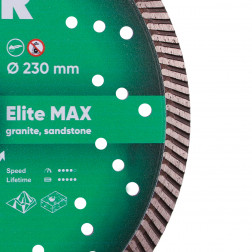
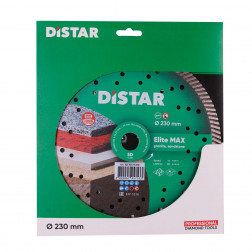
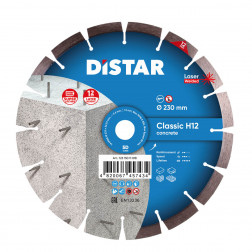
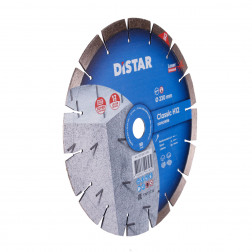
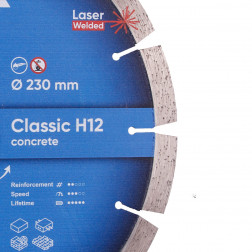
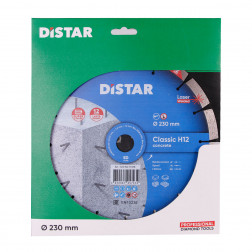
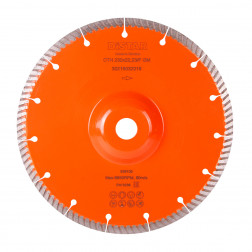
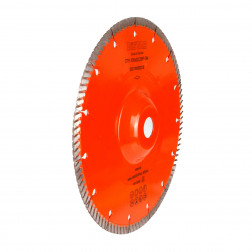
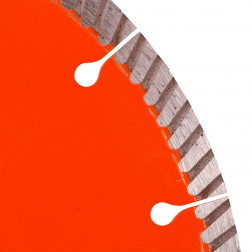
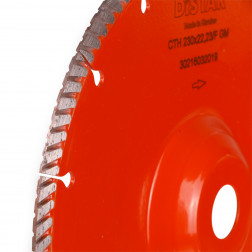
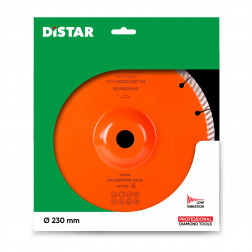
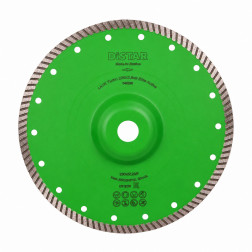
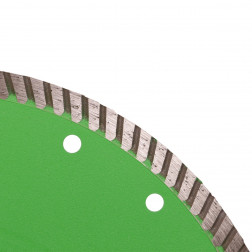
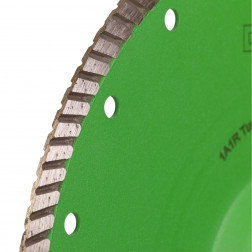
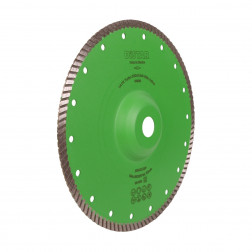
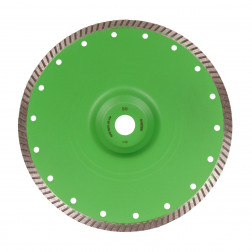
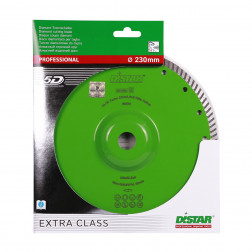
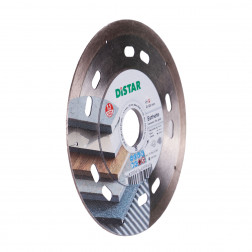
DISTAR diamond blade for angle grinders
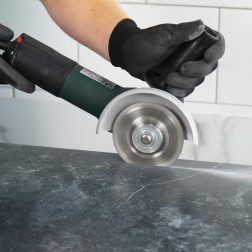
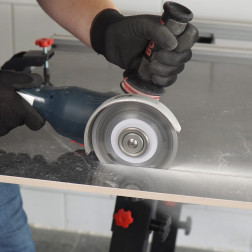
No renovation project can do without cutting various types of building materials: concrete, brick, tiles, etc. The most common power tool for performing such work is the angle grinder. The consumable material, in turn, is diamond blades for angle grinders. They consist of a metal body and a special diamond layer. A very wide range of such consumables is available in Poland, so before buying the first one you come across, it is better to study their features and scope of application, and only then choose a blade.
What features should be considered when choosing diamond blades for angle grinders
A diamond blade for an angle grinder, depending on its composition, can process any building material. It is important to choose the cutting blade properly in order to achieve maximum service life and cutting quality. What features should be considered when choosing a diamond tool?
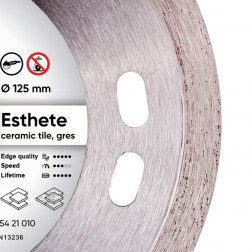
- Diameter. For cutting building materials, angle grinders with diameters of 125, 150, 180 and 230 mm are most commonly used. Choose a blade according to the diameter of the angle grinder.
- Material. It is very important to choose a diamond blade for an angle grinder exactly according to the material you will be processing – concrete, tiles, natural stone, brick, etc.
- Mounting hole. All angle grinders have a mounting hole of 22.23 mm, so it is important to choose a blade with this mounting hole diameter.
- Price. If you have a small volume of work or it does not require high precision and cleanliness of the processed surface, there is no point in buying expensive consumables.
Choosing a blade by material
Of all the above features, special attention should be paid separately to choosing a blade by material. Sometimes craftsmen ignore this point and use a diamond blade for ceramics when cutting concrete or vice versa. This is a fundamentally wrong approach that can lead to damage to the processed material or the diamond layer. Even the angle grinder will be under heavy load if you cut hard material using a blade intended for soft material. Conventionally, building materials processed with diamond blades for angle grinders can be divided into 3 subgroups according to hardness and abrasiveness. Abrasiveness is the ability of the material to sharpen the diamond layer. The harder the material, the lower its abrasiveness.
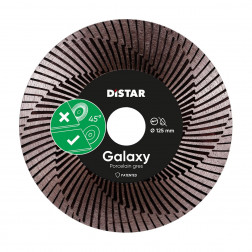
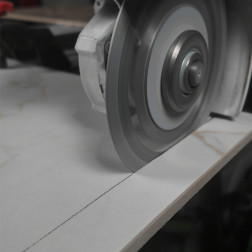
- Hard materials. These include natural types of stone (agate, jasper, etc.), porcelain stoneware, granite, and other materials with low abrasiveness. Most often, porcelain stoneware is processed among all these types of materials, because today most interiors are finished with tiles. There are separate requirements for tools for processing ceramics and porcelain stoneware, because these are finishing works, which is why blades that leave a minimum of cracks during cutting are popular.
- Medium degree of abrasiveness. This category includes blade for an angle grinder for concrete with a large and medium amount of metal components, refractory and clinker bricks, curbs, and paving slabs. These materials are also very difficult to process, so they require careful selection of blades for an angle grinder for concrete, but there are no requirements for cut cleanliness, because most such work is preliminary and will be hidden in the future.
Soft. These include foam concrete, brick, aerated block, concrete screed, asphalt, and other materials with a high degree of abrasiveness. They are very easy to process, however, due to their abrasiveness, they wear out the tool heavily. As in the previous category, there are no special requirements regarding the cleanliness of cutting with such blades.