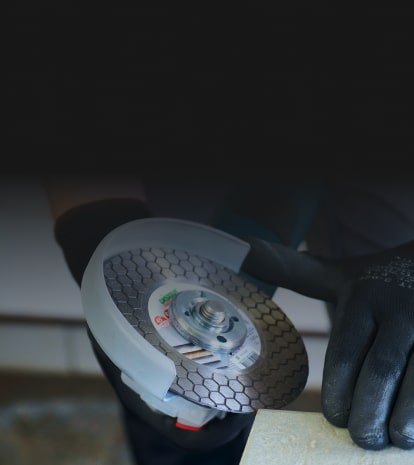
Diamond blades for tiles
45 models


Sort:
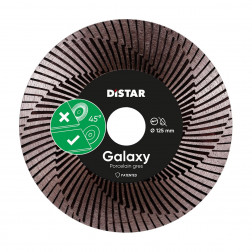

TOP
TOP
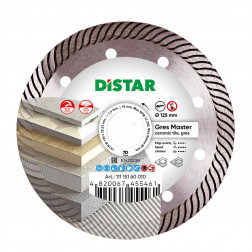
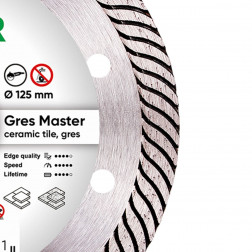
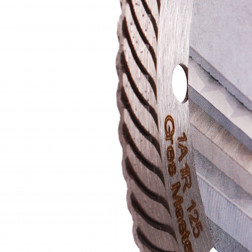
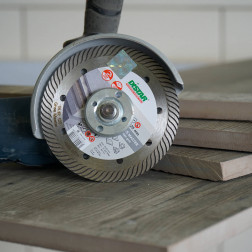
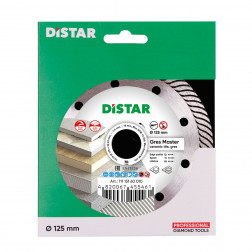
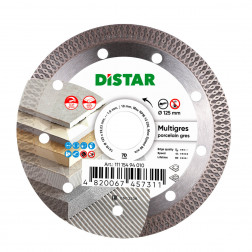
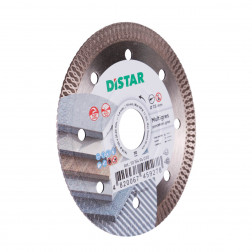
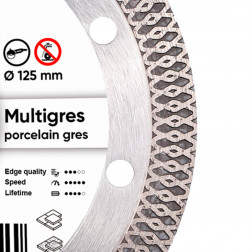
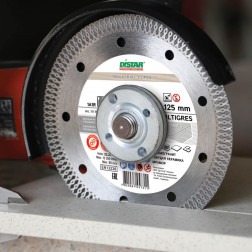
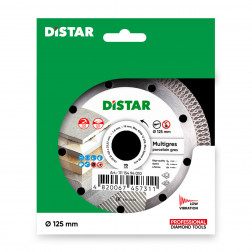
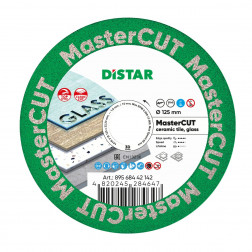
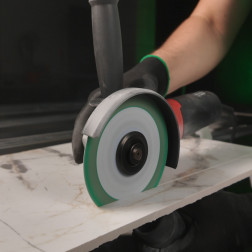
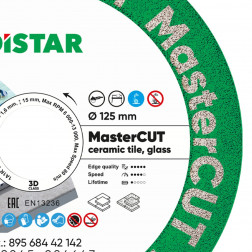
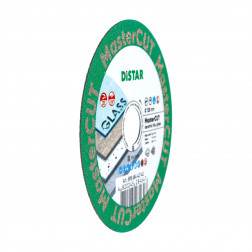
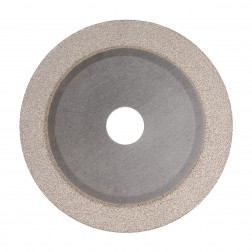
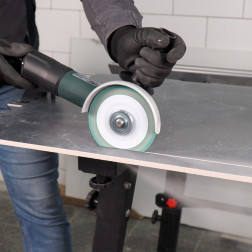
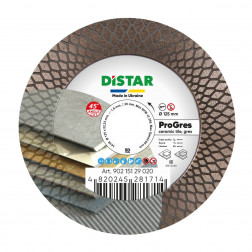
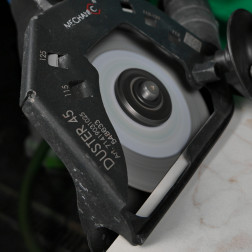
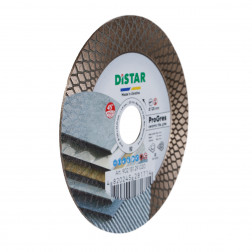
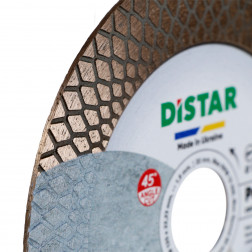
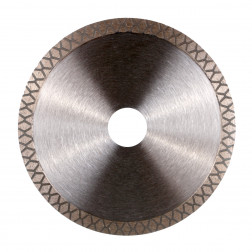
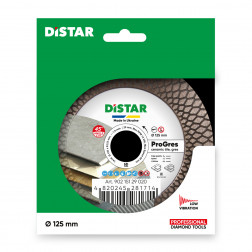
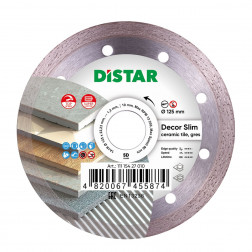
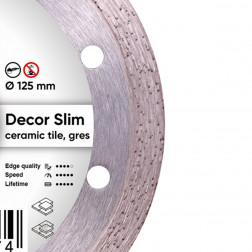
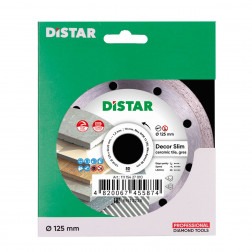

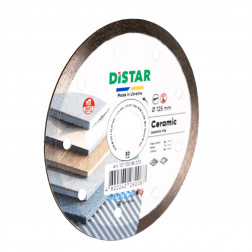
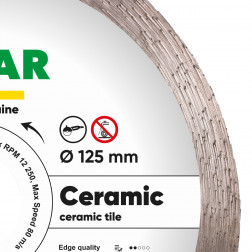
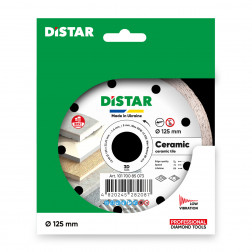
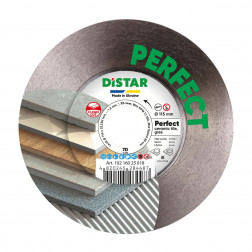
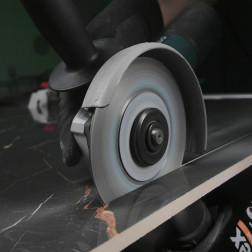
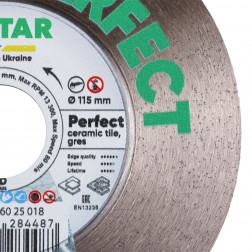
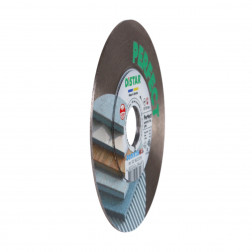
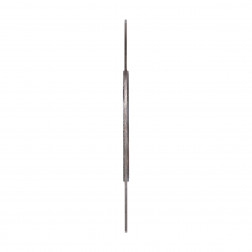
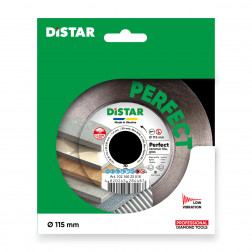
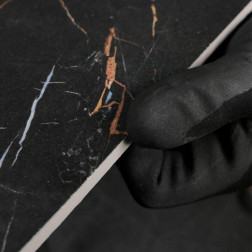
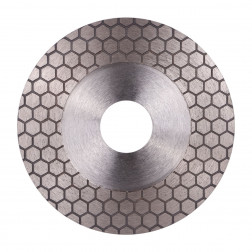
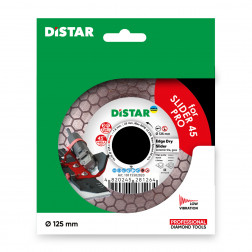
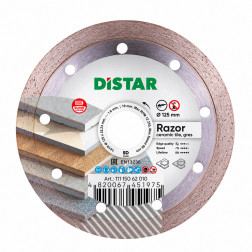
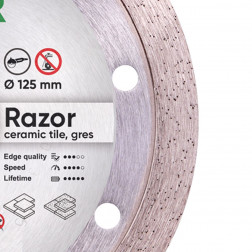
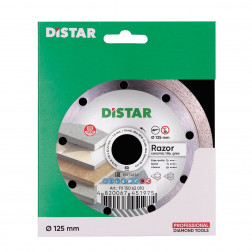
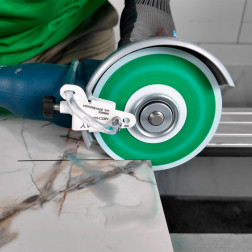
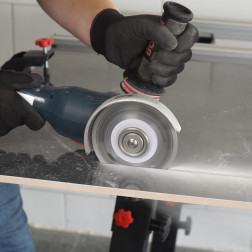
When it comes to processing tiles, professionals often ask themselves which diamond blade is designed for a particular task. On the shelves of DIY stores you can find plenty of tile cutting blades from various brands that differ in appearance, thickness and purpose. Let's take a closer look at this topic and discuss what tile blades exist and what tasks they are designed for. Choosing the right blade for ceramic tiles is crucial for the quality and precision of the cut. Professionals know that a well-chosen tile blade helps avoid damage and ensures a perfectly smooth edge.
Types of tile cutting blades
Most tiling work comes down to cutting tiles as gently as possible, without unnecessary chipping on the surface. Sometimes a tiler does not need a clean cut, because the tile edge may be hidden under a decorative element – a corner trim or a profile. Another task tilers face is cutting at a 45-degree angle, which also requires a specialised tile cutting blade. Depending on the material – ceramic, porcelain stoneware or clinker – it is worth choosing ceramic blades that provide optimal performance and durability.
Blade for clean tile cutting
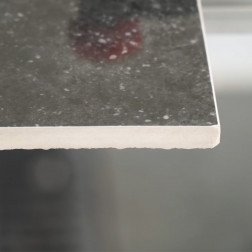
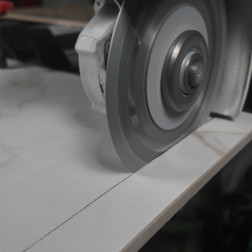
A clean cut means not only minimal chipping on the tile surface but also a perfectly straight cut. If the glazed tile blade is heavily loaded during cutting and has a soft body, it will most likely be extremely difficult to make a straight cut. What are the main criteria for a clean-cutting diamond tile blade?
- A continuous, even diamond rim
- A thickened body or a flange-reinforced body
- Fine diamond grit
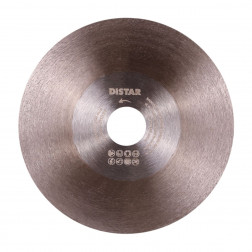
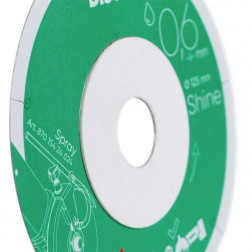
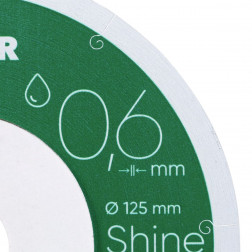
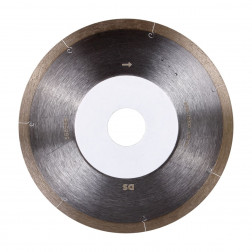
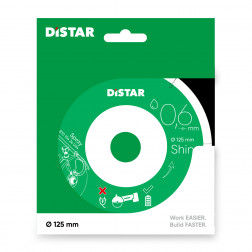
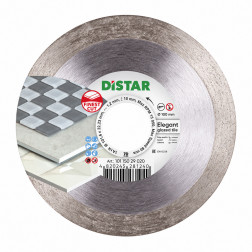
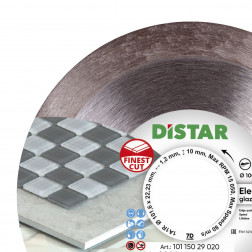
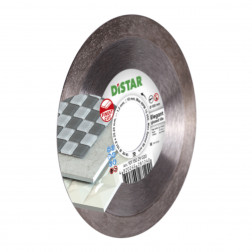
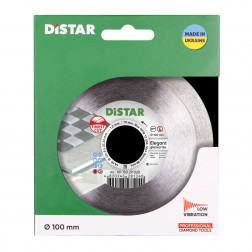
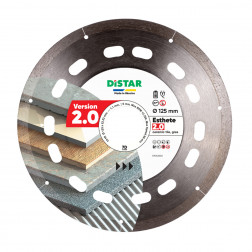
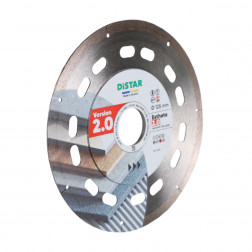
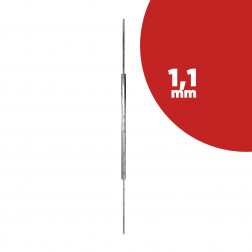
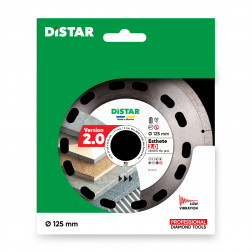
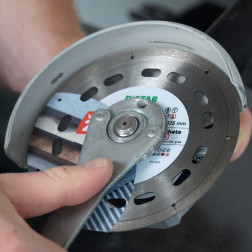
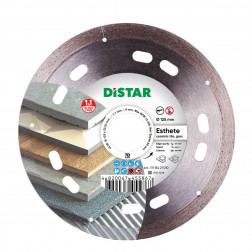
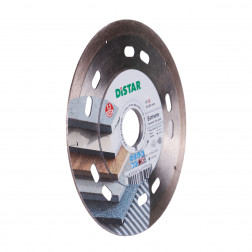
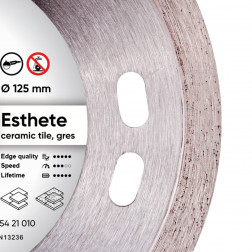
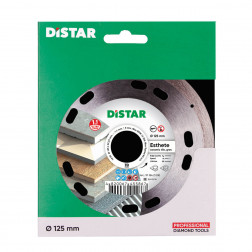
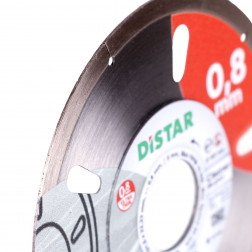
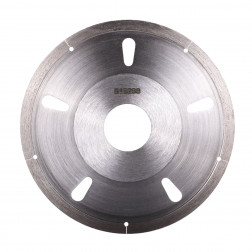
A continuous diamond rim without recesses or bulges is also called a crown rim. Thanks to this rim design and fine diamond grit, chipping on the tile surface is minimised, while the solid metal body ensures a perfectly straight cut. If you need a 125 mm ceramic blade, the best options in this size are the Distar Esthete and Perfect diamond tile blades. The first is very thin but reinforced with flanges, while the second has a thick body with a large safety margin. As a result, even hard materials such as porcelain stoneware are cut smoothly and without chipping.
Blade for rough tile cutting
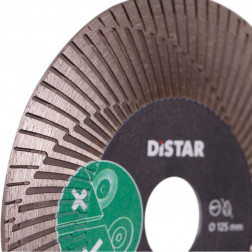
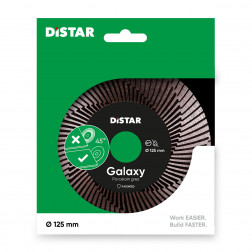
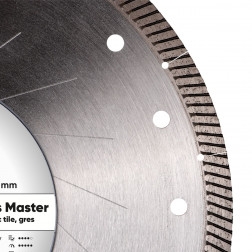
If the cut edge of the tile will be hidden under a decorative element, chipping or a slightly uneven cut will not be a big problem. For such tasks you can use cheaper glazed tile blades, which are often turbo blades. A tile blade with a continuous diamond rim with bulges and recesses is called a turbo blade. This rim design makes it possible to cut even hard or thick porcelain stoneware at high speed, but chipping when undercutting tiles with such a blade will be much greater than when processing tiles with a crown-type blade. This makes it an indispensable tool on the construction site. The main criteria for a rough-cutting blade:
- Low price
- A thin body without a reinforcing flange
- Coarse diamond grit
- A turbo diamond rim
For tasks requiring even more performance and power, it is also worth considering diamond blades for cutting reinforced concrete, which can handle the hardest building materials.
Blade for cutting at 45 degrees
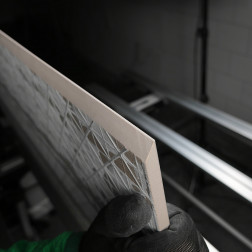
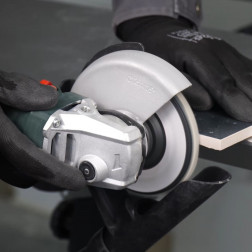
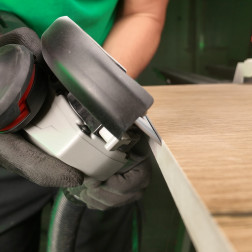
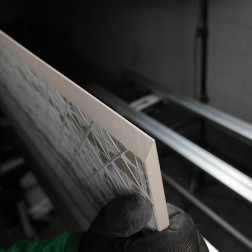
Cutting at a 45-degree angle is needed when tiling window and door reveals, corners, columns and other protruding elements. This type of cut differs significantly from a standard right-angle cut, because one side of the ceramic blade is loaded much more than the other. So what should a blade for cutting ceramic tiles at 45 degrees be like?
- A thickened body or a flange-reinforced body
- A high diamond rim
- Coarse diamond grit
- A turbo diamond rim
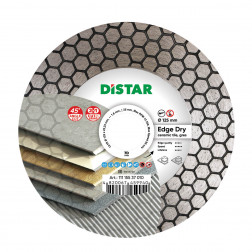
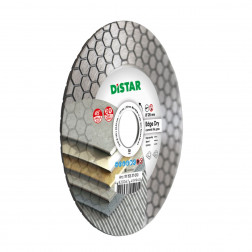
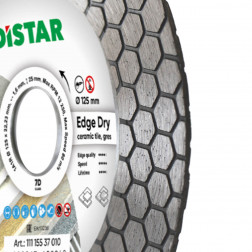
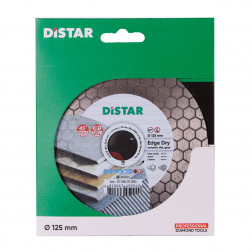
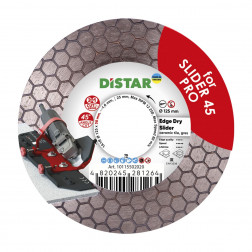
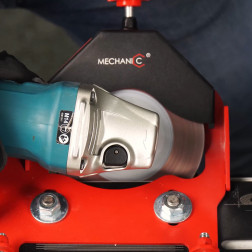
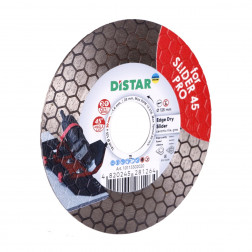
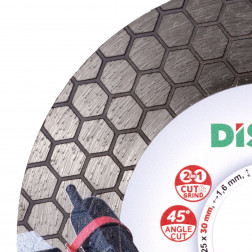
A prime example of such a tile cutting blade is Distar Edge Dry. It is made on a thickened 1.5 mm body with a 25 mm high turbo diamond rim (instead of the standard 10 mm). Thanks to this, mitre cutting of porcelain or ceramic tiles is not only fast but also very accurate – an ideal ceramic tile blade for professionals.
Advantages of Distar tile blades
For several decades Distar has been developing and continuously improving diamond tools for processing ceramic tiles and porcelain stoneware. Distar tile blades undergo numerous quality checks and tests both in our own research laboratory and by professional tilers. This approach has made it possible to create ceramic blades that meet the highest market requirements.
Distar blades include:
- Blades for precision cutting
- Blades for rough cutting
- Tile blades for 45-degree cutting
- Blades for processing hard and thick porcelain stoneware
- Diamond blades for angle grinders and tile saws
When you choose Distar porcelain tile blades, you get not only top quality but also a long service life and safe operation. The brand is recognised as an expert in tile blades, which is why it is trusted by professionals across Europe.
Why choose Distar:
- Convenient online store: intuitive navigation lets you quickly find the right ceramic tile blade using filters by material type.
- Detailed product information: every blade has a full description and technical specifications.
- Transparent prices: all blades for cutting porcelain and ceramic tiles are available at competitive prices.
- Easy purchase: a simple ordering process and fast delivery.
Distar combines top-quality diamond tools with professional customer support, making the brand a leader in the tile blade category.
Frequently Asked Questions
Which tile blade size is best for a tile cutter?
It all depends on your tile cutter model. Electric tile cutters for 200 and 250 mm tile cutting blades are the most popular among professionals. Recently, cutters for smaller 115–125 mm blades have been gaining popularity.
Can diamond blades be used for dry cutting of tiles?
It depends on the type of blade. 200 and 250 mm blades are usually designed for tile cutters with water supply, while 115 and 125 mm blades are for angle grinders without water. Before buying, check the pictograms on the blade to find out whether it is suitable for dry cutting.
What blade thickness is best for precise cutting?
The strength of the body is what matters – both a thin blade for ceramic tiles and a thicker blade for porcelain tiles can deliver a perfect result if made from high-quality materials.
How should I care for diamond blades so that they last longer?
Regular cleaning and proper cooling during work significantly extend the service life of the tool. It is also worth using the blade for its intended purpose – one blade for tiles, another for concrete or stone. Avoid excessive pressure so as not to overheat the diamond layer.
Are diamond blades suitable for all types of tiles?
Not every diamond tile blade works with all types of materials. For cutting hard porcelain tiles, it is best to use special porcelain stoneware blades, and for delicate ceramic tiles – ceramic blades or ceramic tile blades, which ensure a clean and precise cut.
Can diamond blades be sharpened?
Yes, diamond blades can be restored and sharpened if their cutting layer wears down. Simply cut an abrasive material, such as brick or a sand-lime block, a few times to refresh the diamond surface. This way your porcelain tile blade will stay highly effective and serve you longer in everyday work.