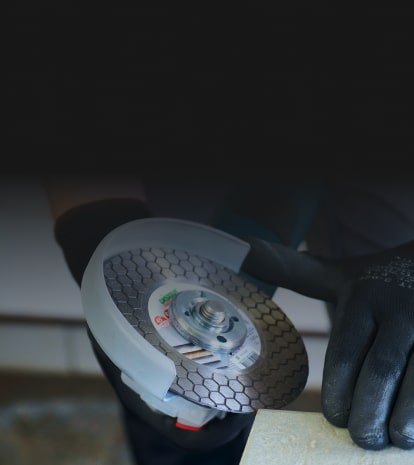
Diamond Blades for Porcelain and Gres Tiles – 125-230mm
45 models


Sort:
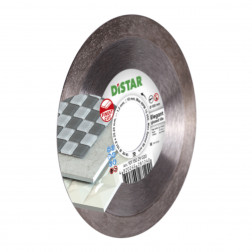
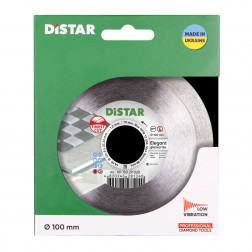
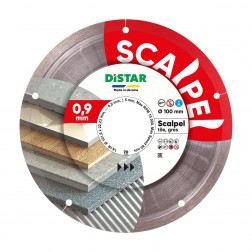

TOP
TOP
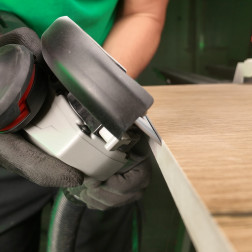
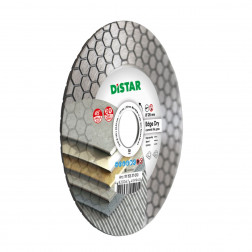
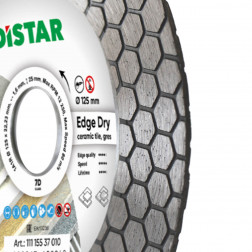
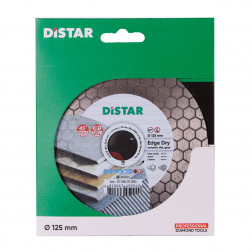
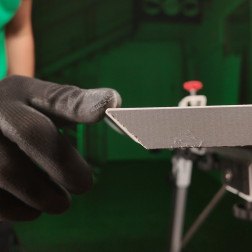
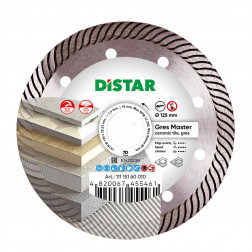
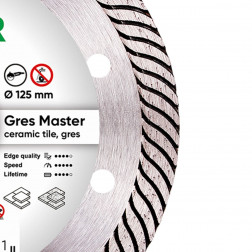
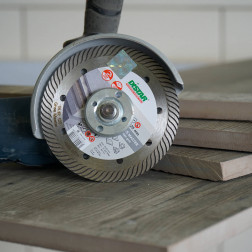
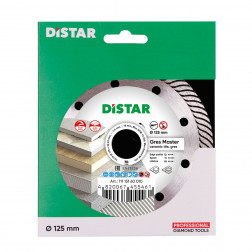
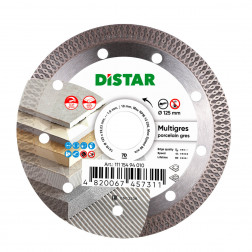
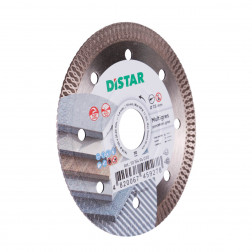
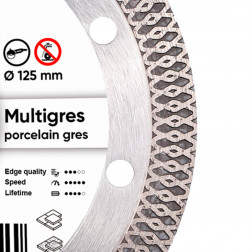
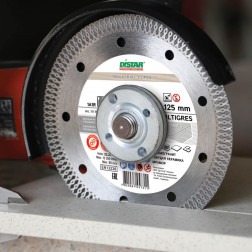
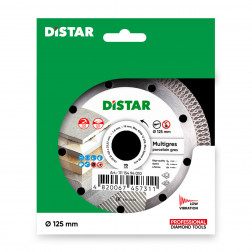
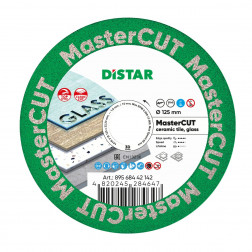
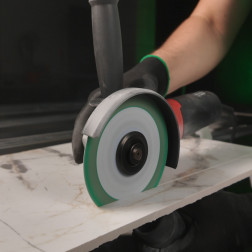
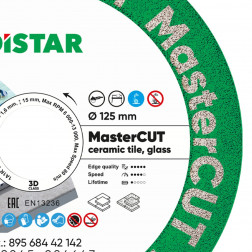
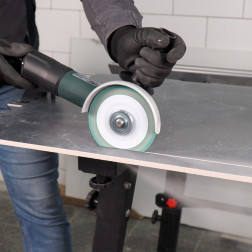
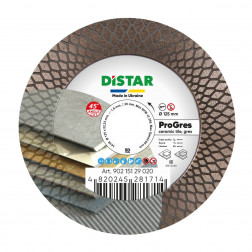
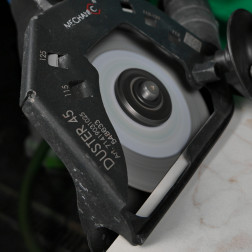
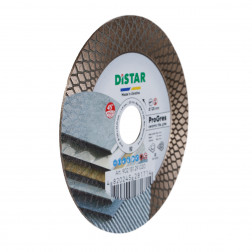
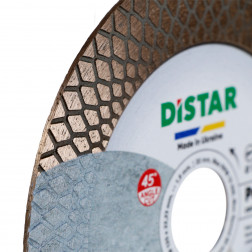
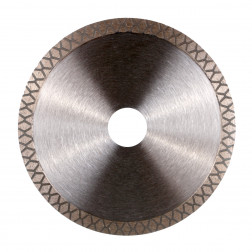
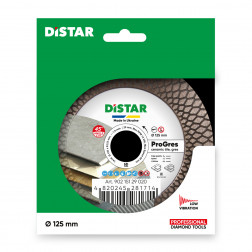
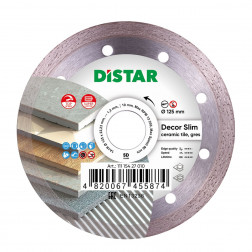


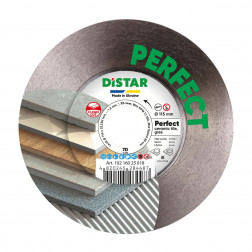
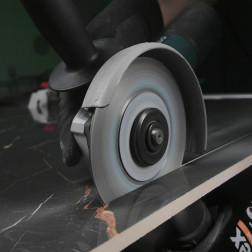
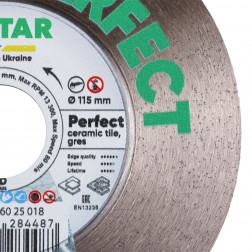
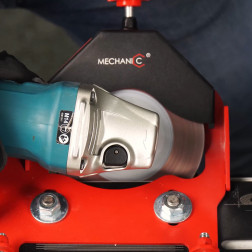
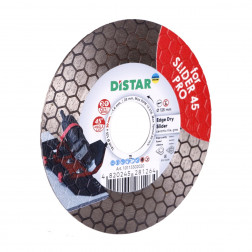
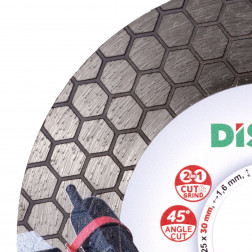
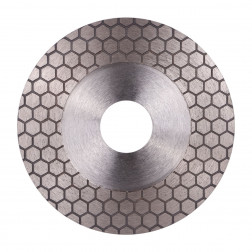

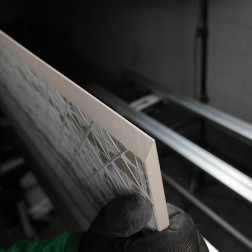
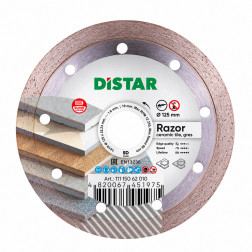
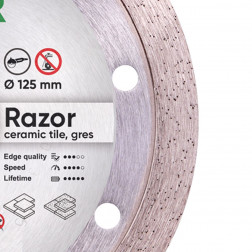
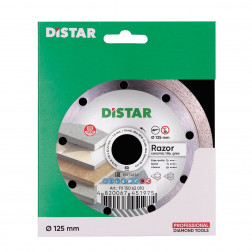


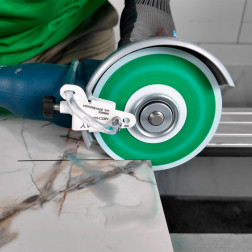
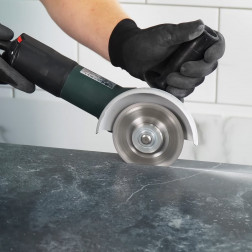
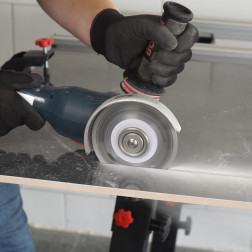
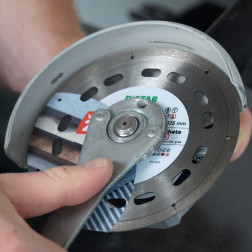
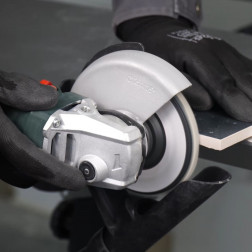
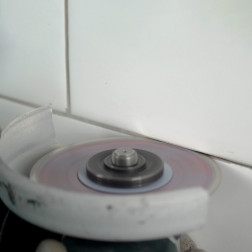
Several types of equipment are used for cutting porcelain stoneware – an angle grinder, an electric tile saw and a manual tile cutter. A manual tile cutter uses a special scoring wheel for porcelain stoneware (monocrystal), while angle grinders and electric tile saws use a diamond blade for porcelain tiles. Angle grinders and electric tile saws can cut thicker and stronger porcelain stoneware, which is why they are used more often. To determine the right type of equipment for your tasks, you need to compare their advantages and disadvantages.
Angle grinder vs electric tile saw
Porcelain blades with diameters of 115, 125, 180, 230 and 250 mm are used for cutting tiles on these machines. Let's compare these 2 types of power tools to understand which one best suits your tasks:
|
Type of power tool |
Pros |
Cons |
|
Angle grinder |
Price of the tool and the diamond porcelain blade, the possibility of curved cuts, portability. |
More chipping than a tile saw, high noise level, dust. |
|
Electric tile saw |
Clean cut, ergonomics. |
Price of the tile saw and the porcelain tile blade, dirt, weight and dimensions. |
Both angle grinders and tile saws can make straight cuts and 45-degree cuts and achieve minimal chipping when processing porcelain stoneware. How do you choose the right professional Distar blade for dry and wet cutting?
Choosing a blade for an angle grinder
An angle grinder uses a 100, 115 or 125 mm diamond blade for cutting porcelain stoneware, but the blade diameter is not as important as the tasks it has to perform.
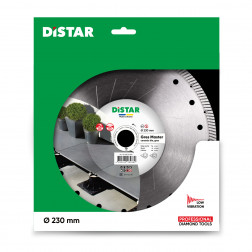
- Rough cutting of porcelain stoneware. Used where tiles will be hidden behind decorative elements. Affordable blades are suitable for rough cutting – Multigres, Gres Master and Décor Slim.
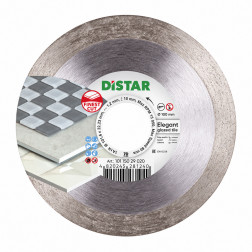
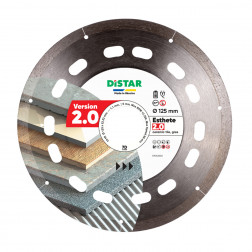
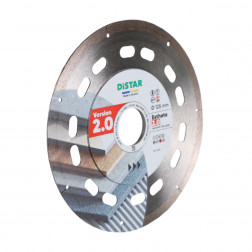
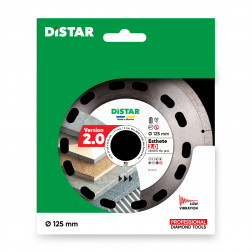
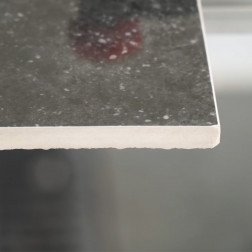
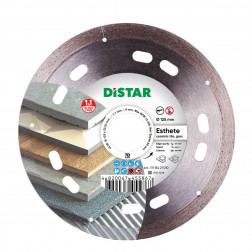
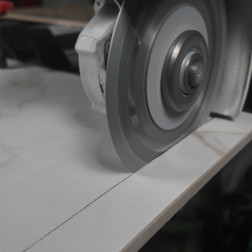
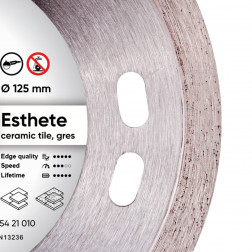
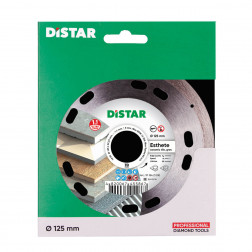
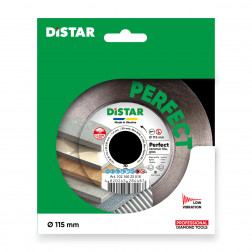
- Clean cutting of porcelain stoneware. If you need to cut a tile that will be laid in a visible place, the cut must be made without chipping. The best solution for this task is the Esthete, Esthete Li-Ion, Perfect and Elegant blades.
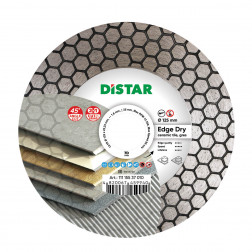
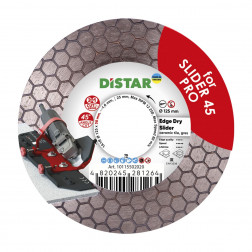
- Cutting at 45 degrees. Used for cladding the corners of an interior. The blade for such a cut must be strong and thickened. The best solution is Edge Dry and Pro Gres.
Choosing a blade for a tile saw
Tile saws most often use porcelain tile blades with a diameter of 200 mm, slightly less often 250 mm, and the rarest tile saws use 180 mm blades. The blade can be chosen depending on the work being done.
- Cutting porcelain stoneware at 90 degrees. The Hard Ceramics and Hard Ceramics Advanced blades are excellent for such tasks. They give a very clean and straight cut that requires practically no additional work.
- Cutting porcelain stoneware at 45 degrees. This operation requires a reinforced blade body, which is why the Edge blade was designed specifically for this purpose.
Why Distar?
Cutting porcelain stoneware has been a priority for our company for many years. We constantly improve the quality of our blades and develop new products for various porcelain processing tasks. In addition to continuous product improvement, our quality control department carefully inspects every production batch, so only high-quality porcelain cutting blades reach the end user.