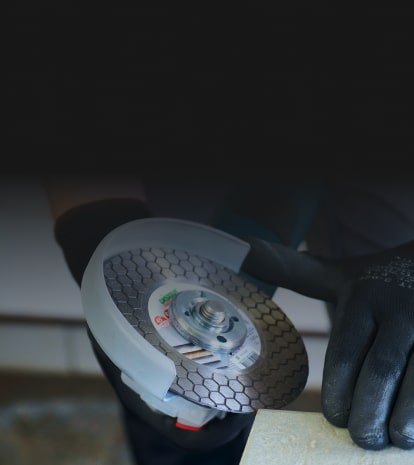
125mm Angle Grinder Diamond Blades for Fast Cutting
85 models


Sort:
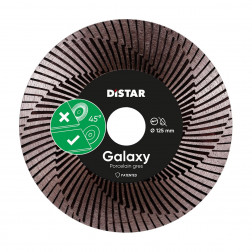


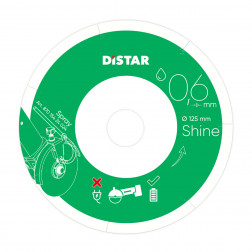
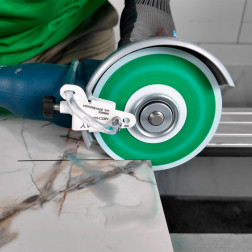
TOP
TOP


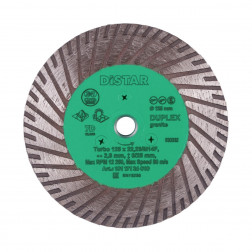
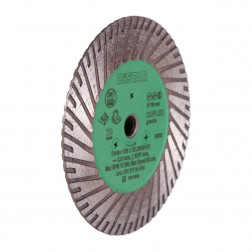
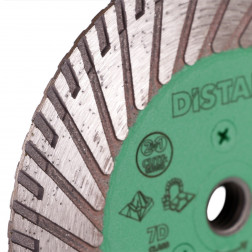
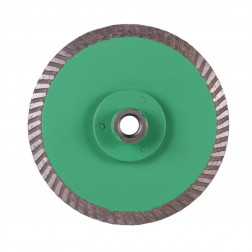
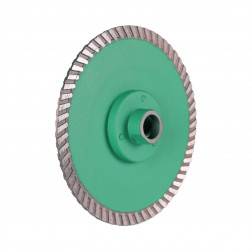


Granite
Reinforced concrete
Paving slabs
125 mm


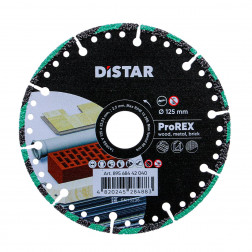
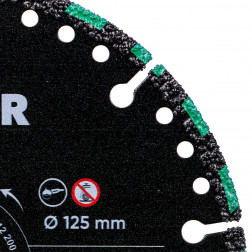
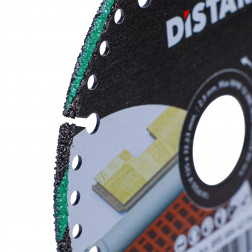
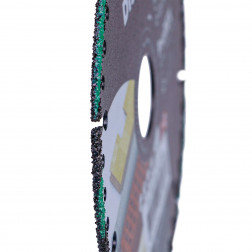
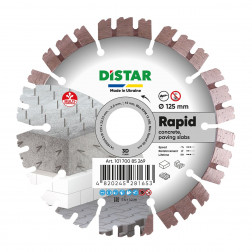
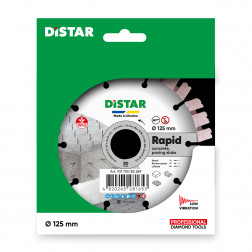
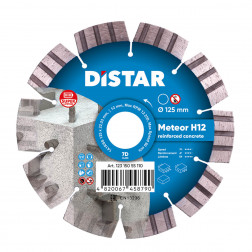
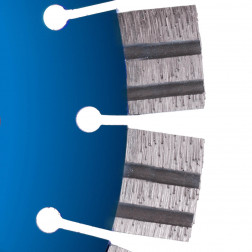
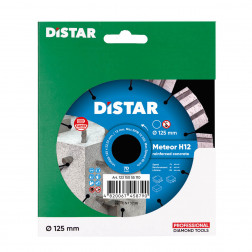
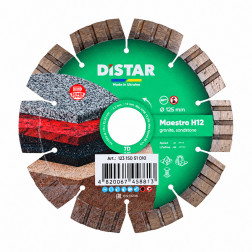
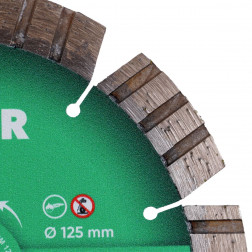
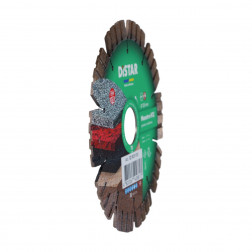
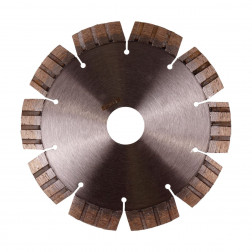
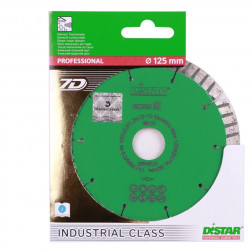


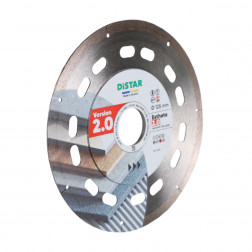
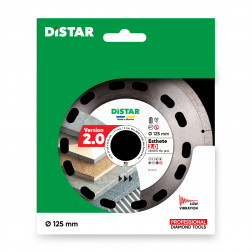
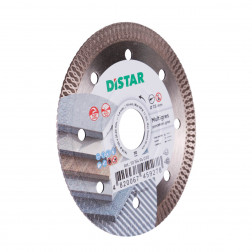
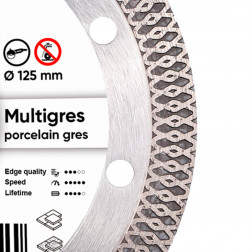
When choosing a diamond blade for an angle grinder, the question arises which diameter is best. For deeper cuts or processing thick materials (concrete, brick, paving slabs), 230 mm blades are ideal. For cutting most cladding materials (granite, porcelain stoneware, marble, tiles, ceramics, etc.) or thin metal, 125 mm diamond blades are quite suitable, and they are the most popular choice for everyday installation work. In practice, a 125 mm porcelain blade that provides a clean and precise cut of this hard material is also very popular.
Advantages of a 125 mm diamond blade
Before giving preference to a particular diameter of diamond blade, you need to clearly understand its strengths. A 125 mm diamond blade has a number of undeniable advantages:
- Price. The larger the diameter of a diamond blade, the higher its price. The 125 mm diameter is affordable.
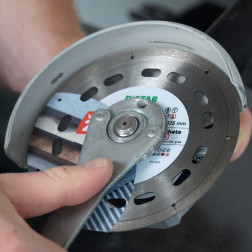
- Equipment availability. 125 mm angle grinder blades are mainly mounted on 125 mm angle grinders, which are light, convenient and widespread power tools. There are also 125 mm diamond blades for wet cutting on special tile saws.
- Range of materials. With 125 mm diamond blades you can process almost any building material. The most important thing is to choose the right blade for the target material and not try to use one blade for all materials.
Types of 125 mm diamond blades
Regardless of diameter, diamond blades are divided into 3 main types. The blade type directly affects the quality of material processing. Therefore, the choice of blade depends on its function, and each type is recommended for specific materials.
Crown (continuous rim) type
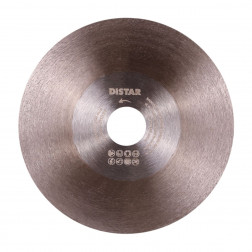
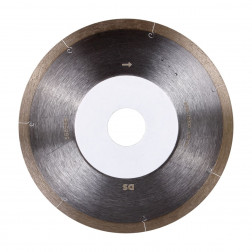
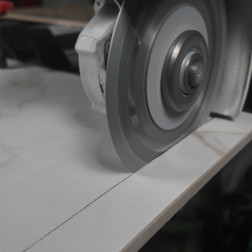
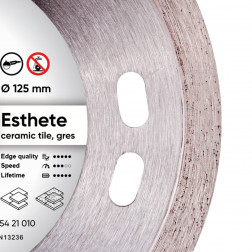
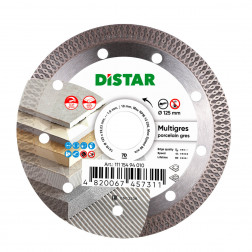
This type of 125 mm diamond blade has a solid, smooth diamond rim. Thanks to this design, there is practically no chipping on the material surface when cutting. That is why a crown-type blade is mainly used for cutting cladding materials (ceramics, porcelain stoneware, granite, marble, etc.).
Turbo type
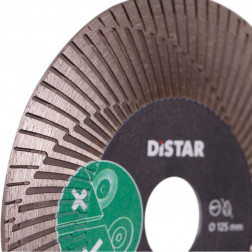
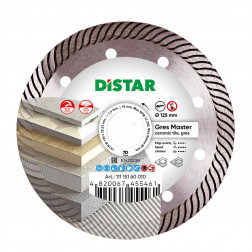
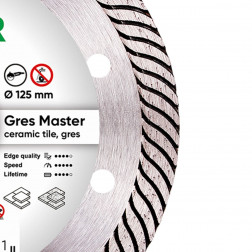
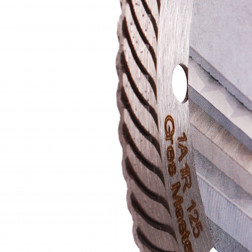
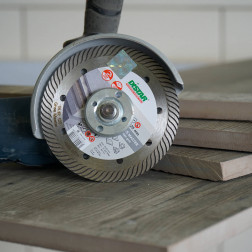
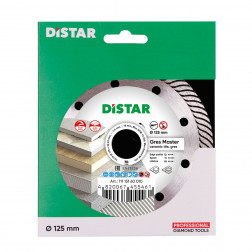
This type of blade also has a solid rim, but its surface is not smooth – it has recesses and bulges. This design provides better cooling of the blade during operation. The edge after cutting with such a blade is more chipped, and it is used for semi-rough or rough work (cutting brick, concrete, paving slabs or kerbs).
Segmented type
Blades of this type have an interrupted diamond rim. In other words, the rim is divided into sectors (segments), which provides not only better cooling but also a high material removal rate. Such blades leave a very rough edge, so they are often used for rough work (mainly demolition of concrete or brick elements, wall chasing, etc.).
Dry and wet cutting
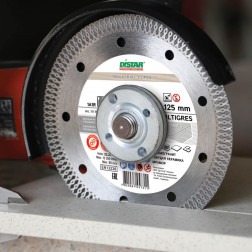
Most 125 mm diamond blades are designed for dry cutting of building materials. Such blades have a 22.23 mm bore and are used on an angle grinder. They are not recommended for use with a water supply, as this can significantly reduce their service life, and the electrical safety class of an angle grinder rules out working with water.
There are also 125 mm blades designed for operation with a coolant supply. They may have a 22.23 or 25.4 mm bore, depending on the type of tile saw on which they are mounted. Wet cutting is mainly used for cladding materials such as ceramics and porcelain stoneware, and a 125 mm porcelain blade performs best in this application. Such blades cannot be used dry, as they will not cut without water, will overheat and will most likely damage the workpiece.
Distar 125 mm diamond blade – why choose it?
For many years Distar has not only been manufacturing tile blades and concrete blades but has also been continuously improving them, so that craftsmen can achieve the highest quality when processing all types of building materials on various equipment. All of the company's products are strictly controlled and tested in a dedicated testing laboratory on different types of materials. Every Distar 125 mm diamond blade is designed for maximum performance and durability. This approach makes it possible to select the optimal compositions for cutting all building materials and to constantly improve product quality.
Frequently Asked Questions
125 diamond blade – why choose it?
This blade diameter has the lowest price of all, and 125 mm angle grinders are the most popular and widespread.
What materials can be processed with a 125 diamond blade?
At Distar you will find a 125 diamond blade for all cladding materials, bricks and all kinds of concrete products. The most important thing to remember when buying a blade is that the cutting depth of a 125 mm blade is 35 mm, and if you need deeper cuts, you need a blade with a larger diameter.
Which Distar blades are the most popular?
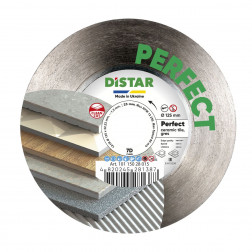
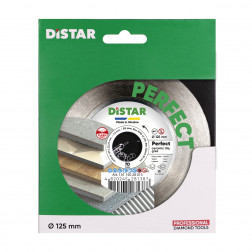
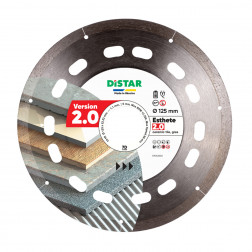
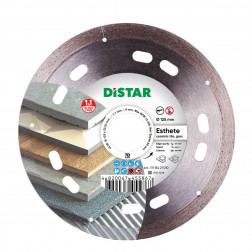
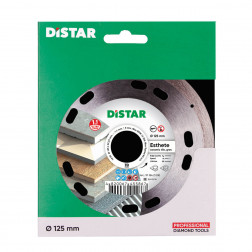
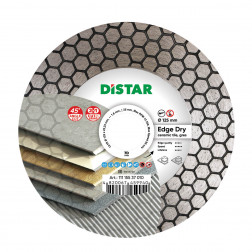
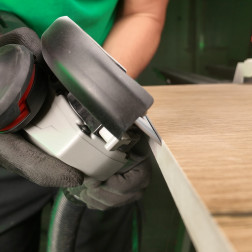
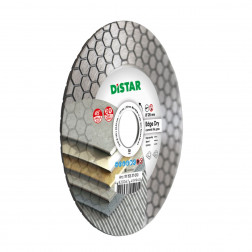
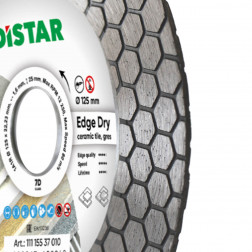
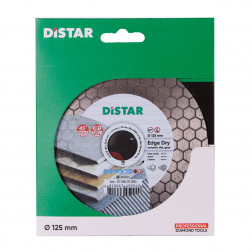
For processing tiles, craftsmen prefer Esthete and Perfect blades, which can make very clean cuts. When cutting tiles at a 45-degree angle, craftsmen prefer to use Edge Dry. The most popular blades for cutting concrete and brick are Meteor and Technic Advanced.