Core drills
37 models


Sort:
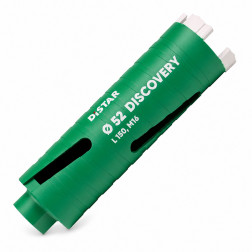
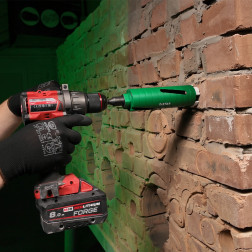
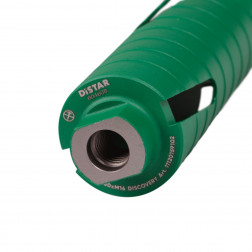
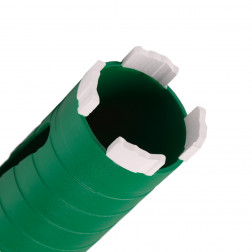
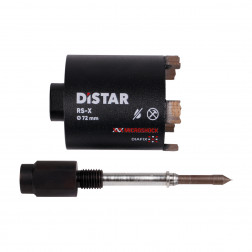
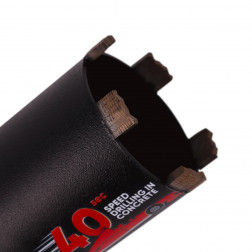
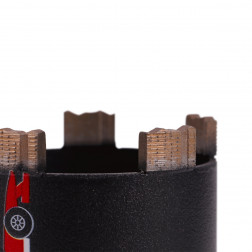
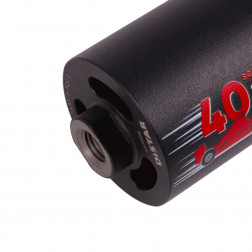
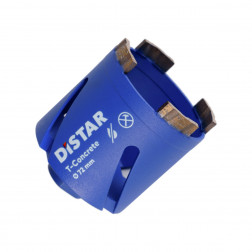
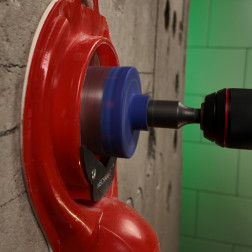
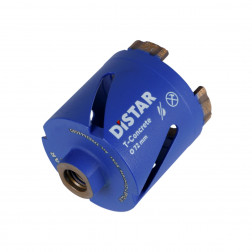
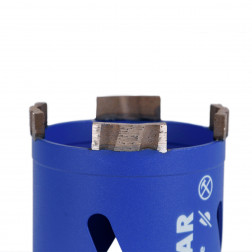
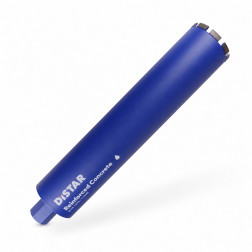
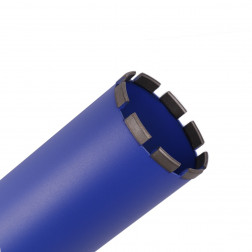
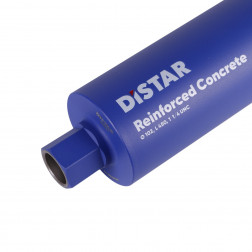
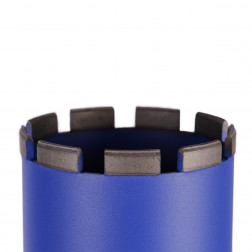
Reinforced concrete
Highly reinforced concrete
32 - 500 mm


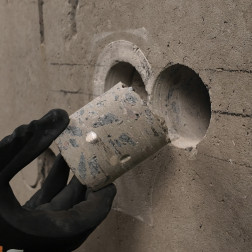
Brick
Concrete
Reinforced concrete
Highly reinforced concrete
68 - 82 mm
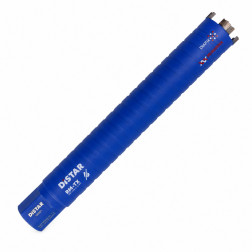
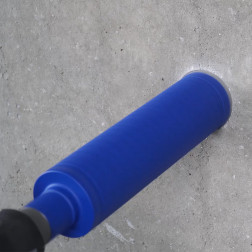
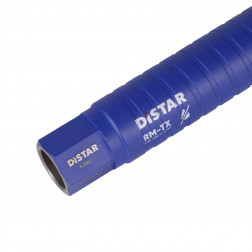
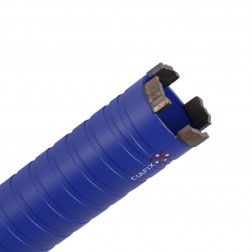
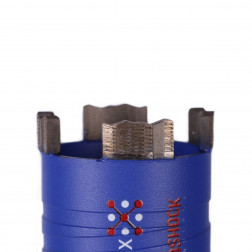
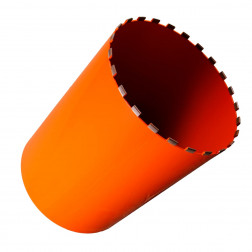
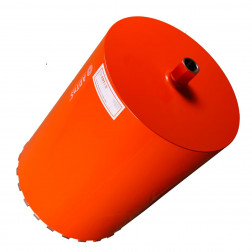
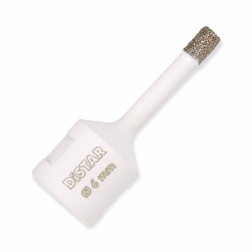
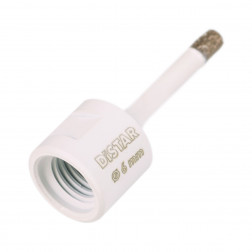
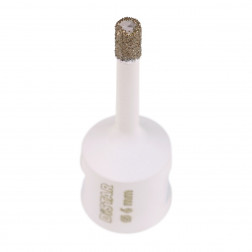
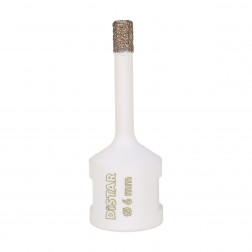
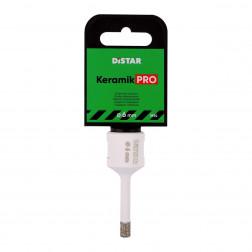
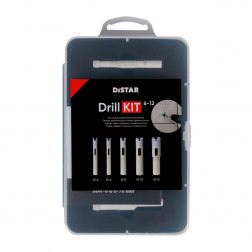
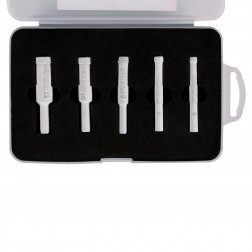
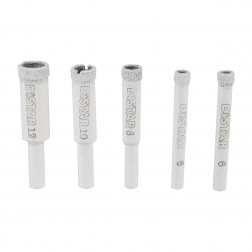
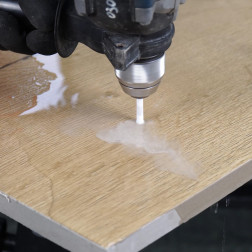
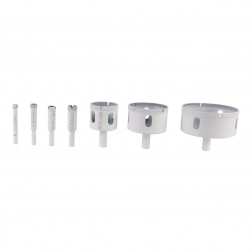
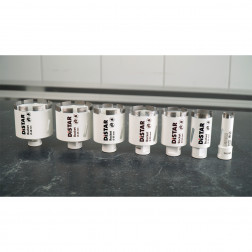
When you need to drill holes in various types of hard natural or engineered stone, there is no better helper than professional diamond hole saws. Diamond core drill bits or diamond core crowns are also well suited to such jobs, as they provide cutting precision and long tool life. A well-chosen diamond hole saw makes a clean hole without chipping and without putting excessive load on the structure. Among diamond tools you will easily find a hole-cutting bit for the most common materials:
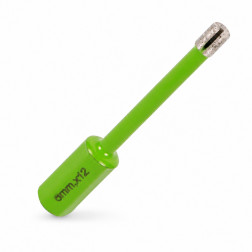
- Tile hole saw
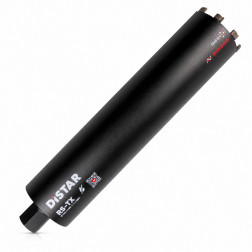
- Concrete hole saws
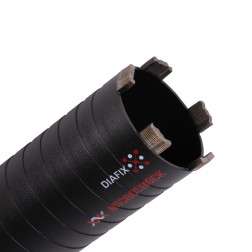
- Core drill bits for reinforced concrete
- Porcelain stoneware hole saw
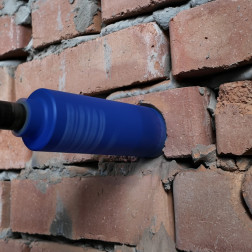
- Diamond hole saws for brick
Core bits for different types of material
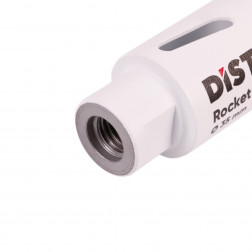
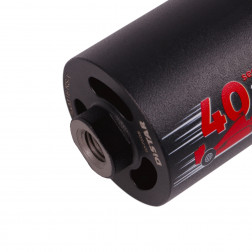
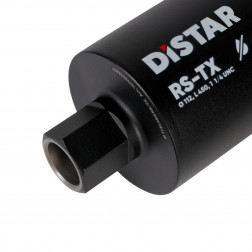
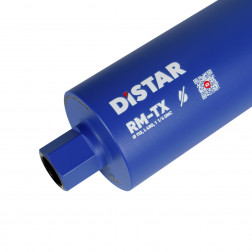
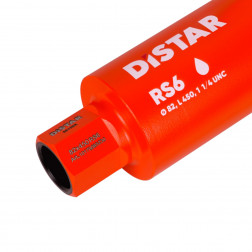
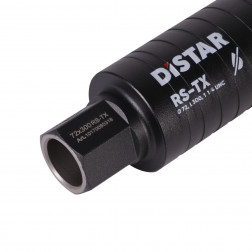
There are many types of diamond core drill bits, so it is important to choose the right bit, machine and drilling method (with or without cooling) for the job at hand. Diamond hole saws differ in diameter, barrel length, segment type and mounting — from an M14 thread for angle grinders to 1 1/4" for diamond core drilling machines.
For professionals we also recommend a 125 mm hole saw and a set of porcelain stoneware hole saws, so you have all the diameters you need in one kit. Also remember hole saws for reinforced concrete and wet hole saws for porcelain stoneware when greater precision or drilling in hard materials is required.
Diamond core drill bits for concrete
Both dry and wet drilling are used in concrete and reinforced concrete. Professionals often choose a concrete core drill bit to make the most of the tool. Diamond hole saws for dry and wet drilling differ in segment composition, so it is important to use them according to the manufacturer's recommendations.
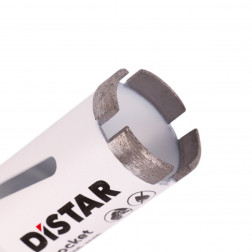
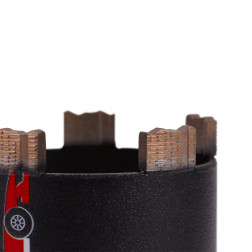
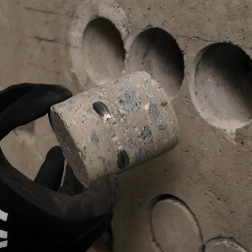
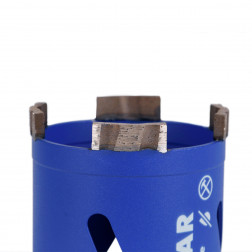
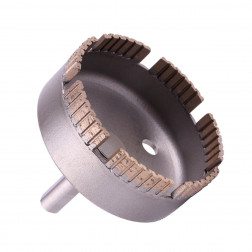
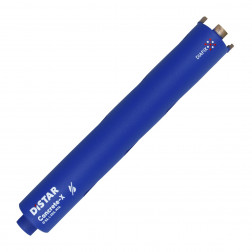
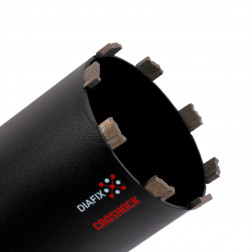
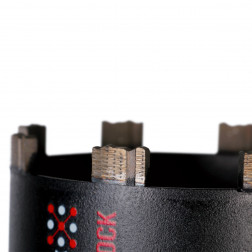
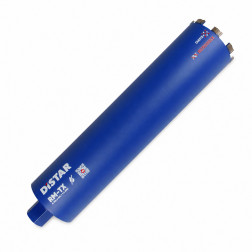
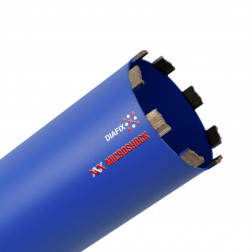
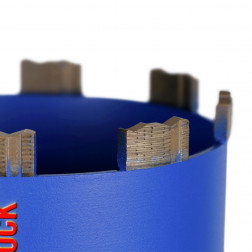
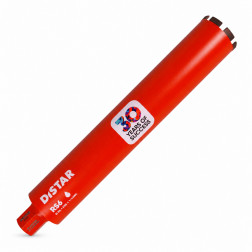
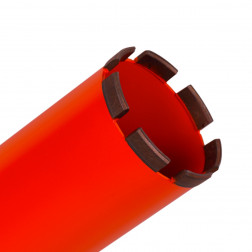
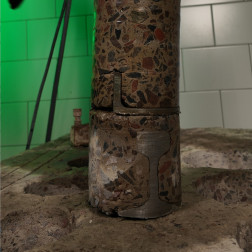
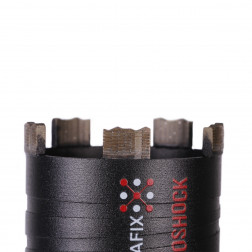
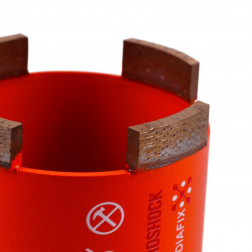
All diamond hole saws for concrete are segmented and, depending on the diameter, can have from a few to several dozen segments. In practice they are also called diamond tube drills — because the barrel is shaped like a tube that cuts out a core of material. Such a diamond tube drill makes a hole without crushing the whole volume of material, so work is faster and there is less waste. For large diameters, hole saws that allow segment re-tipping are useful and save money. Such diamond bits can be re-tipped once the segments are completely worn: new segments are fitted to the barrel, which saves significantly on buying a new diamond tool.
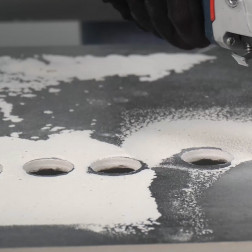
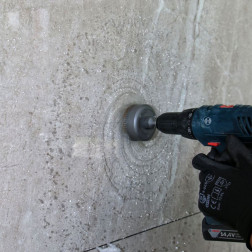
Dry drilling is used for holes in concrete up to 100–120 mm in diameter. This is because the operator's strength may not be enough to drill through very hard or reinforced concrete. Core drill bits and diamond crowns are used for maximum precision in such work. Larger holes require core drilling machines with a stand and water supply. In some cases professionals drill holes over 120 mm dry, but only when they have a stable stand to mount the machine.
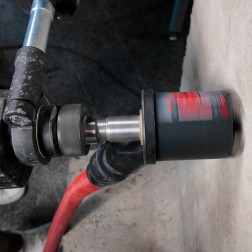
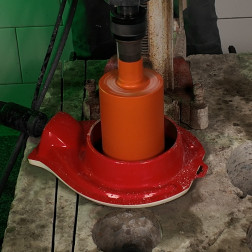
Wet drilling is used for hard and reinforced concrete in diameters from 42 mm to 500 mm. Its advantages are the ability to make large, deep holes and high drilling speed even in very hard concrete with a lot of steel (provided a professional wet diamond core bit is used). Wet drilling is usually done with a special stand fixed near the planned hole and a diamond core drilling machine. A diamond hole saw for porcelain stoneware is also useful when you need to drill hard finishing materials.
Diamond hole saw for tiles
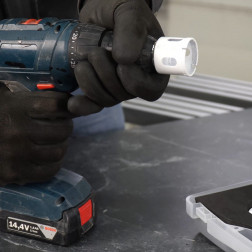
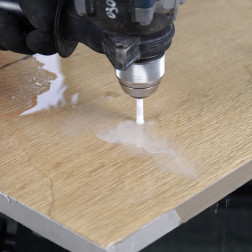
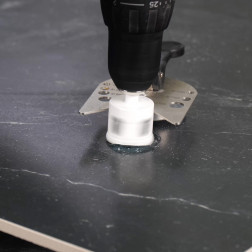
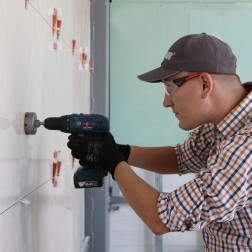
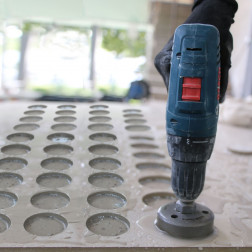
Drilling tiles is much simpler because the hole depth and diameter are smaller than in concrete. Tiles are usually about 10 mm thick, and the maximum hole diameter in a tile is 130–150 mm. However, drilling ceramics and porcelain stoneware requires more precision, since it is usually finishing work and the goal is a clean hole without chips. Diamond crowns work best here, giving clean, precise cuts even in hard materials. Porcelain core bits, diamond drill bits or core crowns that leave clean, chip-free holes are ideal for such applications.
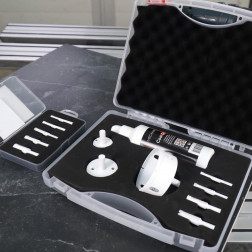
Both continuous-rim and segmented hole saws are available for tiles. Segmented tile core bits are for dry use only, while continuous-rim ones can be used wet or dry. A core drill bit that makes clean, precise holes without risk of damaging the material is a great choice for these tasks. Professionals also use hole saws for porcelain tiles and porcelain stoneware to drill a range of diameters.
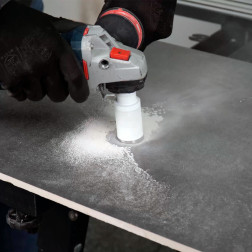
A diamond hole saw for dry tile drilling is used on angle grinders. Angle grinders run at high speed, so dry drilling is much faster than wet drilling. Wet hole saws for porcelain stoneware are also recommended for more demanding applications. Diamond core bits for dry tile drilling are made with larger diamonds, which unfortunately increases the risk of chipping. Such bits are used for holes that will later be covered (e.g. for electrical sockets).
Water-cooled diamond hole saws work much more slowly (because they are used with lower-speed tools and finer diamond grit), but they cause practically no chipping on the tile edges.
Factors affecting the service life of a diamond core bit
Tool life is very important for every professional. Which parameters affect how long a diamond core bit lasts?
- Hardness and abrasiveness of the material
- Power and speed of the machine
- Drilling method (wet or dry)
- Correct choice of core bit for the material
Choosing the right segment type for drilling concrete is particularly important:
- RS segment – soft segment for hard concrete
- RM segment – medium hardness, universal use
- RH segment – hard segment, excellent for highly abrasive materials
Before buying the first hole saw you come across, study the properties of the material you plan to drill. It is also good to have a reinforced concrete hole saw and an 8 mm porcelain drill bit at hand for more precise jobs.
Tile core bits are more universal and suit both soft ceramic tiles and hard porcelain stoneware.
Diamond hole saw: working tips
Using your core drill bit correctly will extend the life of your equipment and the bit itself, and help you work faster and more accurately.
- Follow the correct cooling method for the bit
- Start drilling with a template to keep the bit from slipping
- Do not let the segments overheat
- When drilling by hand, rock the bit gently from side to side to make work easier
- When drilling with water cooling, do not skimp on water in the drilling zone
- When using a hammer drill, switch off hammer mode unless the core bit manufacturer allows it
- After drilling, remove the core from inside the bit before starting a new hole
Why choose Distar core bits?
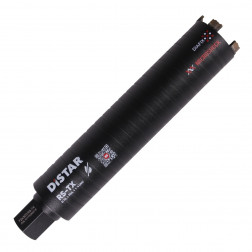
Distar's range is very wide, and among its products you will find diamond core drill bits for many materials:
- Lightweight concrete
- Hard, reinforced concrete
- Brick
- Ceramic tiles
- Porcelain stoneware
- Granite
Besides a wide choice of materials, you can also match a diamond core bit to any machine. Distar makes core drill bits with mountings for all the most popular tools – drills, rotary hammers, screwdrivers, diamond core drilling machines and angle grinders. You can also pick the right adapters for each of them.
Distar diamond tools are made from high-quality raw materials from leading global producers of metal, metal powders and synthetic diamonds, which ensures consistently high product quality.
A wide range and high quality are not the only benefits of buying Distar tools. The company has created an online shop for its customers that is not only a place to buy but also a source of knowledge about using diamond tools. On the company website you can check prices, read useful articles and tips, order diamond core drill bits and even get delivery to any city.
Frequently Asked Questions
Why is it important to choose the right segment type for the material?
Correctly chosen diamond segments ensure maximum service life of the diamond hole saw and high drilling performance in the given material.
Can diamond hole saws be used without water cooling?
There are core drill bits for both dry and wet use. A dry diamond hole saw has segments with a special composition that withstands higher temperatures, and works best with dust extraction. All diamond bits carry a pictogram showing the drilling method, and you should follow the method recommended by the manufacturer.
How can I keep the room clean during dry drilling?
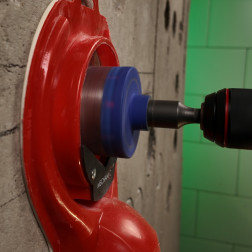
There are many attachments and devices for extracting dust during dry drilling. Their efficiency can exceed 95%, which is a very good result. For proper dust extraction when using a dry diamond core bit, powerful industrial vacuum cleaners are recommended.
Which core drill bit should I choose for electrical boxes?
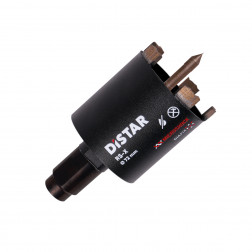
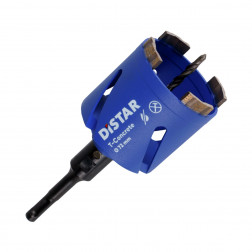
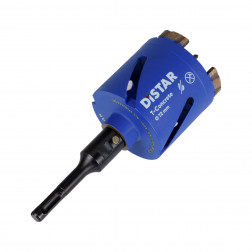
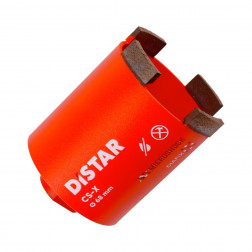
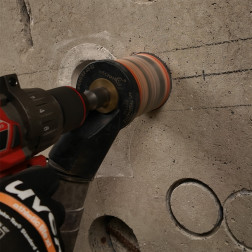
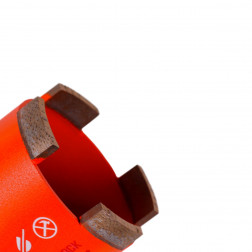
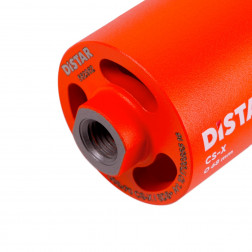
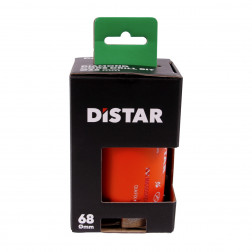
For standard electrical boxes, a diamond hole saw for boxes with a 68 mm diameter (less often 72 or 82 mm) and a working depth of about 65–70 mm is the best choice, which is enough to set the box. Such a diamond box hole saw can have an M16 thread or an SDS shank — the choice depends on the machine you have.
Can an SDS diamond hole saw be used on a rotary hammer?
Yes, an SDS diamond hole saw is designed to fit directly into a rotary hammer chuck without an extra adapter. An SDS core bit usually works without hammer action or with very light hammer action — always check the manufacturer's recommendations for the model.
What is the difference between an SDS max and an SDS-plus core bit?
An SDS max core bit is designed for heavier rotary hammers and larger diameters, while an SDS-plus shank is for lighter machines and smaller holes, e.g. for electrical boxes. The shanks are not interchangeable, so the core bit must match your tool's chuck.