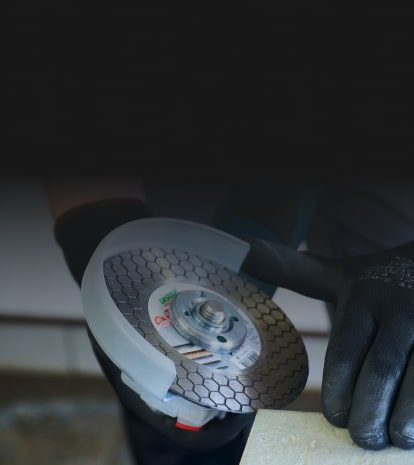
Diamond blades for granite
87 models


Sort:
TOP
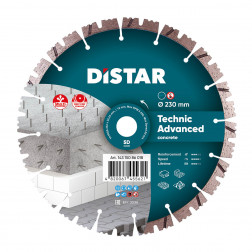
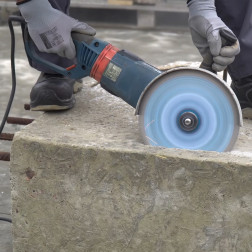
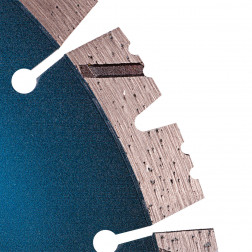
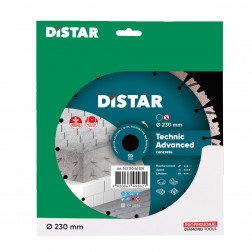
Granite
Reinforced concrete
Paving slabs
115 - 230 mm
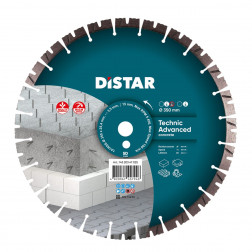
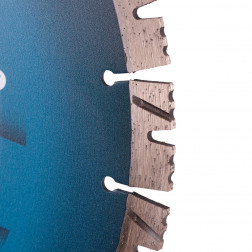
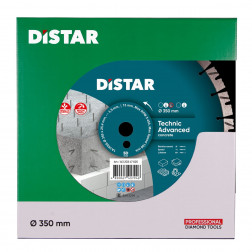
Granite
Reinforced concrete
Paving slabs
300 - 400 mm
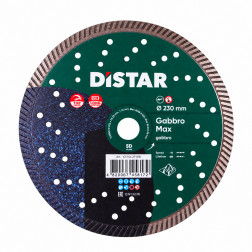
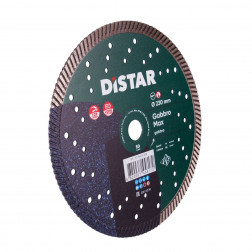
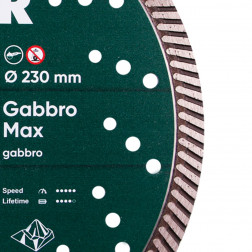
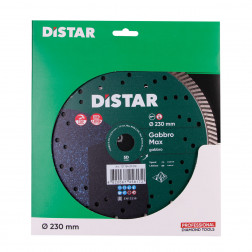
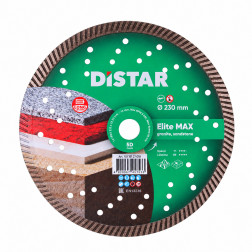
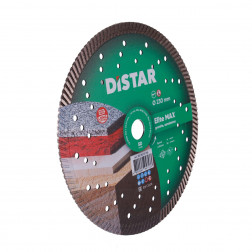
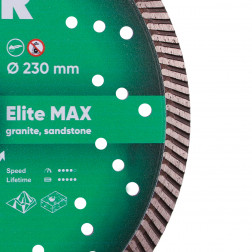
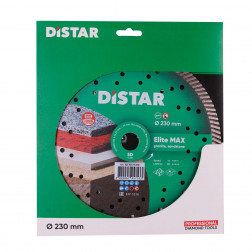
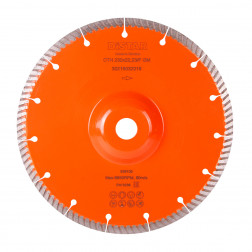
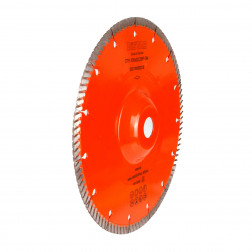
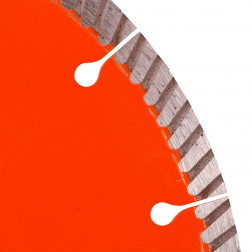
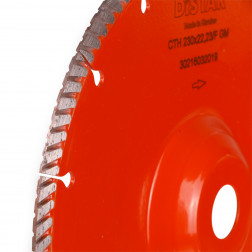
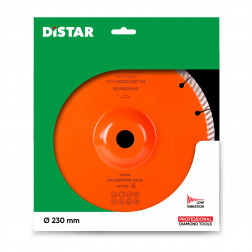
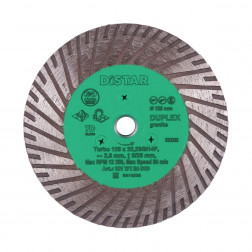
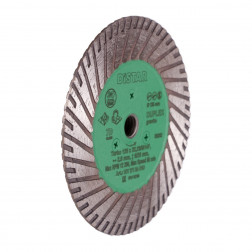
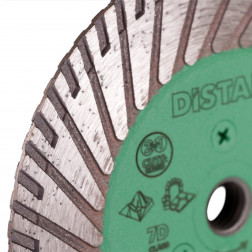
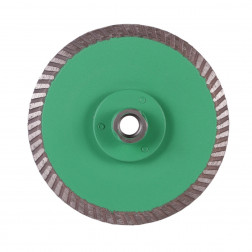
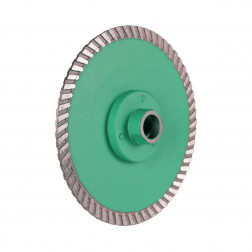
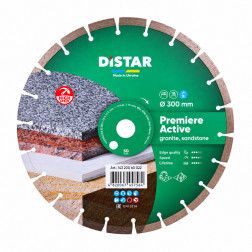
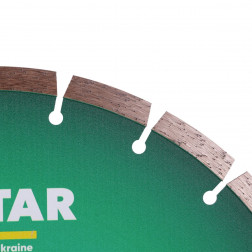
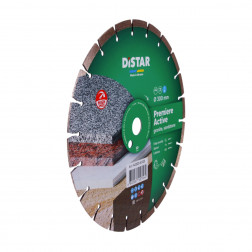
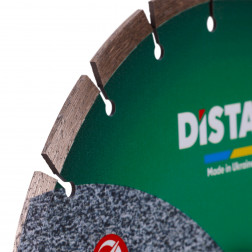
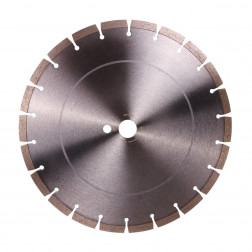
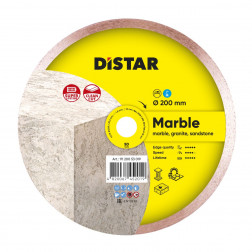

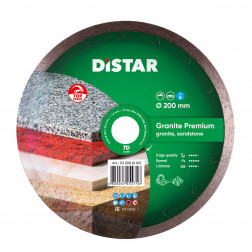
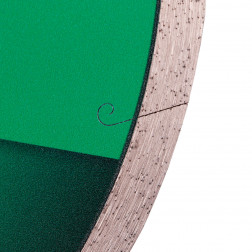
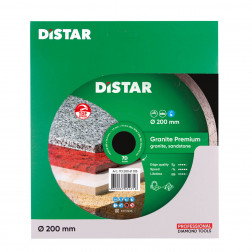
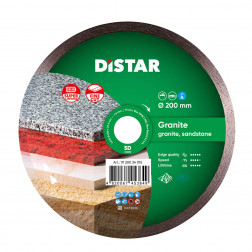
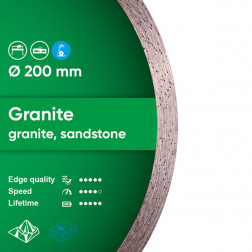
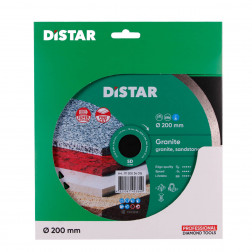
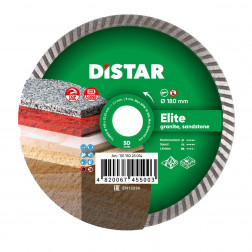
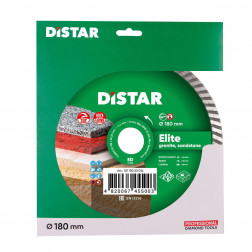
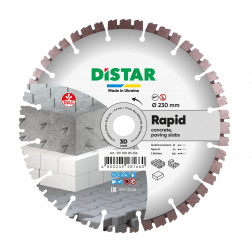
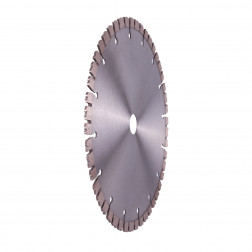
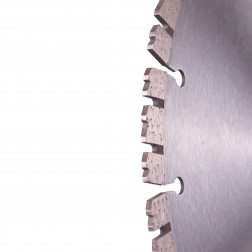
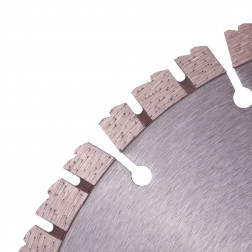
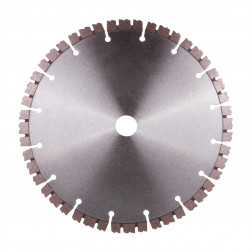
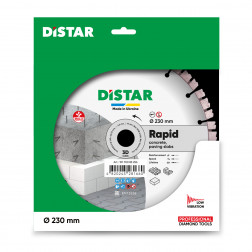
Stones such as granite are increasingly used in facade finishing and even in interiors. Granite is a very hard yet brittle material, which is why diamond blades for granite are used to cut it to the required size. Most often, granite with a thickness of 20 or 30 mm is used for cladding work, and a 125mm granite blade is perfectly suited for its processing, since its cutting depth is 35 mm. For processing granite with a thickness of 40 mm and more, a granite blade with a larger diameter is needed. Let's take a closer look at the topic of granite cutting and the diamond blades for granite that are used for it.
Types of diamond blades for granite
There are three types of diamond blades:
- With a continuous and smooth diamond layer (crown)
- With a continuous and wavy diamond layer (turbo)
- With an interrupted smooth or wavy layer (segmented)
Each of these types of blades can be used for cutting granite, but each has its own special features.
Crown-type diamond blade for granite
These granite cutting blades are used on tile or stone cutters for precise cutting without chipping. A necessary condition for the operation of the blade on such equipment is the supply of coolant to the cutting zone. If you try to cut dry with such blades, there is a high probability of damaging both the granite blade itself and the material being processed. The most popular blades for cutting granite for tile cutters are blades with a diameter of 200 and 250 mm, and for stone cutters — 350 mm and more. Practically all of them have a 25.4 mm mounting hole, so it is important that your equipment fits such a hole.
Turbo-type granite blade
This type of blade is most often used dry on an angle grinder. The most popular turbo-type blades for granite processing are 125mm and 230 mm. The wavy diamond layer is necessary to improve blade cooling and remove dust from the cutting zone, however, such blades leave additional chipping on the edge of the material. Cutting with such blades requires a small amount of finishing work with grinding and polishing tools.
Segmented diamond blades for granite
Segmented blades are essential for fast cutting of very hard and thick granite. Such blades exist both for wet processing on machines and for dry cutting with angle grinders, which is why their diameter range is very wide: 125, 150, 180, 200, 230, 250, 300, 350 mm and more. The main drawback of segmented blades is large chipping on the edge of the cut material, which is why cutting with segmented granite blades is preliminary and requires additional processing.
Important criteria for choosing a granite cutting blade
As we mentioned earlier, there are several types of diamond blades for granite, but apart from the appearance of the diamond layer, there are many other details you should pay attention to when choosing a diamond blade for granite processing:
- The blade diameter should match the equipment, since the linear speed depends on it — one of the most important parameters for the correct operation of a diamond tool.
- The mounting hole of the diamond blade for granite should match the mounting in the power equipment.
- The ability to work with the blade in dry or wet mode. It is very important to follow the manufacturer's recommendations, otherwise you can damage both the granite cutting blades and the material being processed.
- Do not use blades for concrete or other materials for granite processing.
Useful tips for granite processing
If you have not yet dealt with cutting a material like granite, these tips will help you do the job with maximum quality and speed.
- Correctly select blades for your tasks and equipment.
- Make precise markings (preferably with a pencil so that the lines are thin).
- For maximum precision and straightness of the cut — it is better to cut in several passes, gradually deepening the diamond blades for granite into the material.
- During wet granite processing, make sure that a sufficient amount of water reaches the cutting zone and no dust is generated.
- When cutting dry, try to give your granite cutting blade a rest so that it does not overheat. Do not make many cuts in a row.
- When cutting by hand (with an angle grinder), try to hold the blade as perpendicular to the material as possible and do not change the angle during cutting so that the blade does not get jammed.
- If the blade has started to cut poorly, it should be sharpened on a softer material or a special abrasive stone.
- If large chips remain after cutting — use grinding tools to make a chamfer and remove them, and then a polishing pad to finish the chamfer.
Advantages of Distar granite blades
Natural stone processing is one of the first directions developed by the diamond tool manufacturer Distar. Over 30 years of its development, the company has brought to market many granite blades for every type of equipment and continues to work in this direction, improving its current products. The range of Distar granite blades allows professionals to select blades for rough and finishing processing for angle grinders, tile and stone cutters. The optimally selected composition of metal powders and synthetic diamonds makes it possible to process granite as quickly as possible with a long service life of the granite blade.
High quality diamond tools are not the only advantage of the Distar brand. Nowadays, the world is becoming digital and more and more stores strive to have online resources for selling their product range. Distar has created a very convenient online store that has plenty of useful features:
- Sorting by diamond tools, power tools, diameter, processed material
- Preview of material processing speed, price and product service life
- A short description of the advantages of all products
- A short video about the operation of each diamond tool
- The ability to purchase the products you need
- Delivery arrangement to any city
- Useful articles and tips on the use of diamond tools
- A map of physical store locations
- Contact information
Frequently Asked Questions
Can diamond blades be used for cutting granite both dry and wet?
Dry and wet granite cutting are two very different processes, each of which requires a specialized blade. The composition of a diamond blade for granite that is designed for dry cutting is fundamentally different from a blade that is designed to work with coolant supply. To avoid damaging the blade and the material — use the blade in the mode recommended by the manufacturer. This information can be found on special pictograms on the body of the product.
What is the service life of diamond blades for granite?
Each blade has its own special composition of metal powders and diamonds, so the service life can range from a few square meters to dozens of square meters and more. The approximate service life of a particular blade can be seen on the Distar website.
What types of diamond blades for granite processing are the most popular?
Crown and turbo blades are the most common choice of professionals. Segmented blades, due to heavy chipping, are less popular for granite processing.