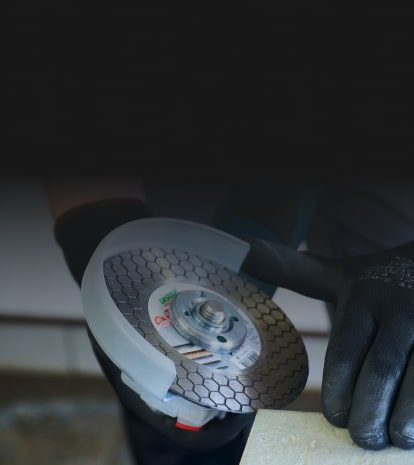
Diamond blade for metal
87 models


Sort:
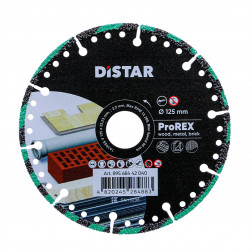
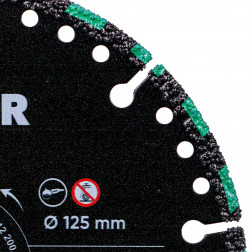
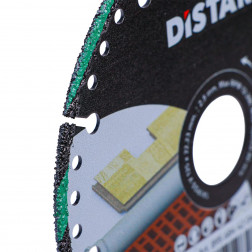
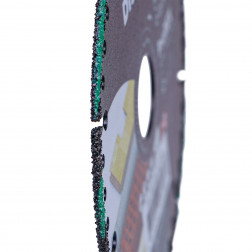
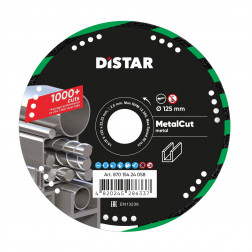
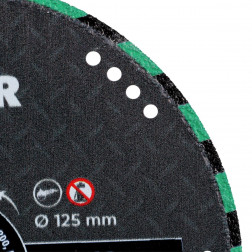
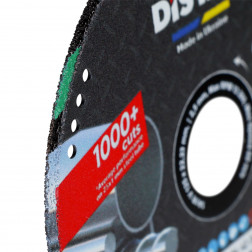
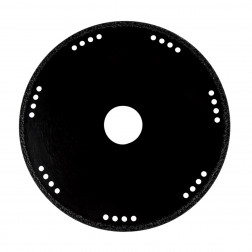
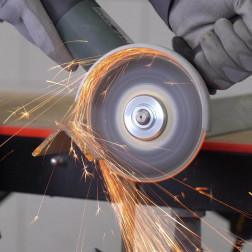
In every production facility or during garage work, professionals encounter the need to cut various metal elements. Most often, metal cutting is done with an angle grinder and special abrasive cutting discs for metal. The effectiveness of such a consumable is not high, but there are a few undeniable advantages — they handle the task at hand and have a low price. However, they have a number of undeniable disadvantages:
- They wear out quickly
- They decrease in diameter
- They leave behind a lot of harmful abrasive dust
- They can break
An alternative to abrasive cutting discs is a diamond blade for cutting metal, which surpasses abrasive ones in every respect and, despite its higher price, is more economical. It is also worth mentioning the diamond metal blade, which enables precise cutting and a longer tool life. Professionals are increasingly choosing professional metal cutting blades to increase work efficiency and safety.
Advantages of a diamond blade for metal
Diamond blades for cutting metal appeared relatively recently and have not yet gained due popularity, mainly because of their high price, which is dozens of times higher than the price of an ordinary abrasive metal cutting disc. However, this price is justified by the many advantages of a diamond blade over an abrasive one.
Constant diameter
Unlike an abrasive disc, a diamond blade for cutting metal does not wear down in diameter and can cut to the same depth throughout its entire service life. Very often, when cutting with an abrasive disc, professionals encounter a situation where the disc is not yet completely worn out, but its diameter has decreased and it cannot cut through a workpiece of the required thickness. In such situations, professionals use Distar cutting blades, which guarantee a constant diameter and precision.
No harmful abrasive dust
During cutting, a diamond metal blade produces only metal dust from the workpiece being cut. Abrasive dust is very harmful, and its absence during metal processing is an undeniable plus. For additional protection, you can use abrasive discs for metal that minimize the amount of dust.
Durability
Abrasive discs are made of special abrasive particles glued onto a basalt mesh that holds the cutting material. However, the basalt mesh does not protect the disc from destruction. A diamond blade for grinding metal has a metal body that cannot be destroyed, which ensures the safety and durability of the tool.
Cost-effectiveness
Despite the higher cost of professional metal cutting blades, the cost of cutting is significantly lower thanks to the long service life. For example, the Metal Cut 125 mm blade from Distar can make over 1000 cuts of a steel pipe with a diameter of 20 mm and a wall thickness of 1 mm. Thanks to this, the investment in a metal cutting blade pays off after only a short period of use.
What to pay attention to when choosing a metal blade
Blade diameter
The diameter affects the maximum cutting depth. Metal cutting blades of 125 mm are able to cut to a depth of 35–40 mm. If you need a greater depth, it is worth purchasing a blade for a metal cutter with a diameter of 230 mm, which can cut to a depth of 65–70 mm.
Mounting hole
All blades for angle grinders have a mounting hole of 22–23 mm. When choosing a blade, it is important that the blade for a metal cutter fits the device.
Blade type
Diamond blades for metal come in two types: with a full continuous edge and segmented (divided into sections). Segmented ones have a higher cutting speed, but they are often thicker and leave burrs. Full metal cutting blades ensure a thinner and more precise cut.
Applications of a diamond blade for metal
With such blades, you can cut practically all metal products:
- Profile pipes
- Sheet metal
- Steel pipes
- Rebar
- Angle bars
- Channel bars
- Non-ferrous metal products
When cutting non-ferrous metals such as aluminum or copper, the diamonds may become clogged. In this case, it is worth cleaning the diamond metal blade with a wire brush or making a few cuts in an abrasive material (silicate brick, asphalt, abrasive block).
Segmented Distar cutting blades are universal and can also cut:
- Brick
- Concrete
- Asphalt
- Wood
- Plastic
Advantages of the Distar brand
- All metal blades are manufactured using vacuum sintering technology.
- Quality control at every stage of production guarantees high durability and cutting repeatability.
- Distar offers a full range of diamond blades for cutting metal, abrasive discs for metal, diamond blades for grinding metal and professional metal cutting blades.
- A convenient online store makes it easy to order a blade and have it delivered to any city.
Frequently Asked Questions
How do diamond blades differ from abrasive ones?
Diamond blades have many advantages compared to abrasive ones: a constant diameter, a long service life, no abrasive dust during cutting and high durability. These advantages result from the design of the blade, which consists of a special steel body and durable synthetic diamonds.
Which metals are diamond blades suitable for?
Diamond blades for cutting metal are most often used for cutting steel, but if needed, they can also cut copper, aluminum and other non-ferrous metals.
Can diamond blades for metal be sharpened?
Diamond blades for metal have only one row of diamonds. With use, the diamonds can be destroyed or fall out. As fewer and fewer functional diamonds remain on the surface of the blade, the cutting speed drops. At a certain point, the blade stops cutting because too few diamonds remain to process the material. Unfortunately, the cutting ability of such a blade cannot be restored, so it is necessary to purchase a new one.
How to care for a diamond blade so that it lasts a long time?
For a diamond blade for cutting metal to last as long as possible, it should be used as intended, excessive pressure during cutting should be avoided, it should be regularly cleaned of dust and material residues, and cooling or water should be used for wet cutting.
Do diamond blades require special storage?
Yes, proper storage of a diamond metal blade affects its durability. Blades should be stored in a dry place, in a horizontal position or in holders, away from heavy objects and moisture, to avoid deformation and damage to the cutting edge.
How to prepare a blade for cutting non-ferrous metals?
When cutting aluminum, copper or other non-ferrous metals, metal cutting blades can become clogged. Before work, clean the surface of the blade of metal with a wire brush, make a few cuts in an abrasive material, e.g. silicate brick, and use moderate pressure to avoid overheating and wear of the diamonds