Core drills for Porcelain gres
39 models


Sort:
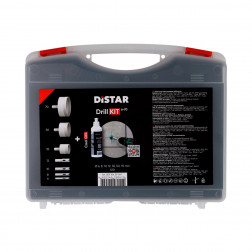
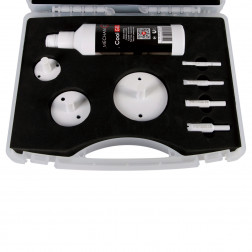
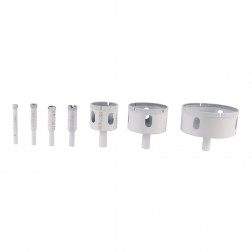
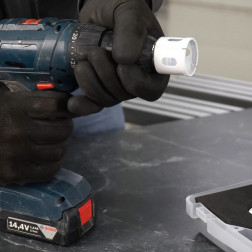
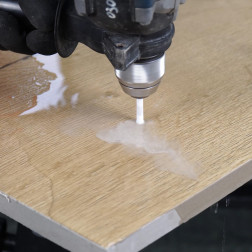
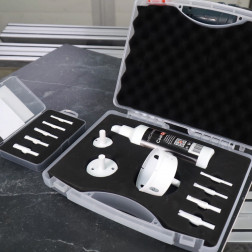
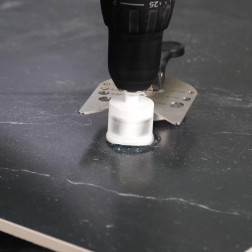
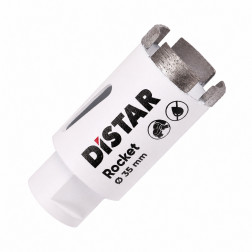
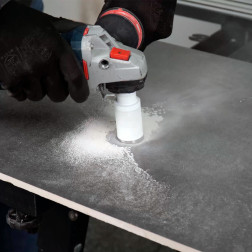
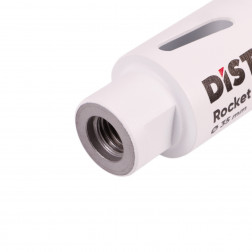
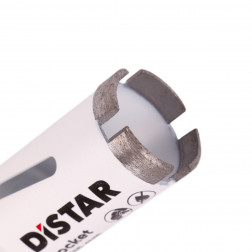
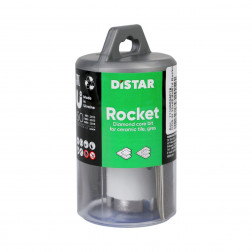
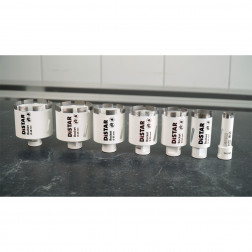
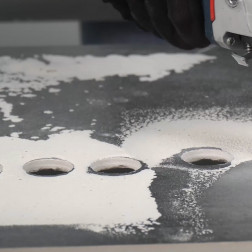
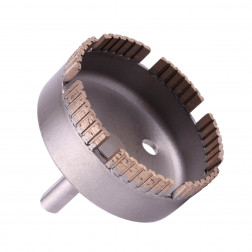
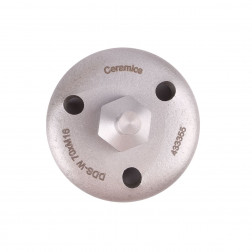
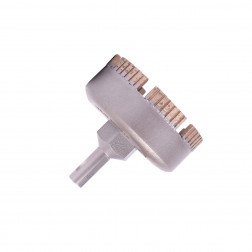
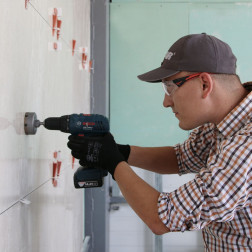
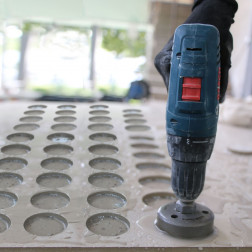
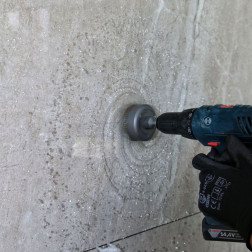
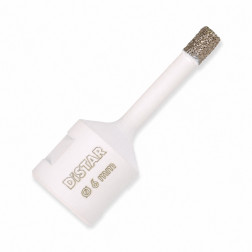
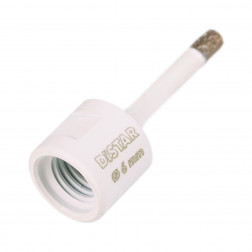
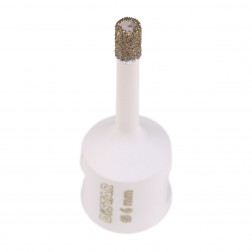
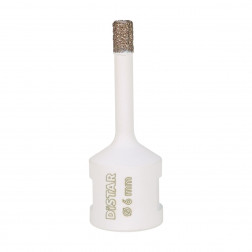
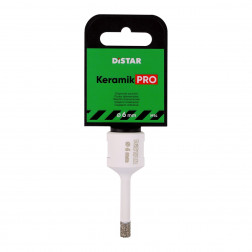
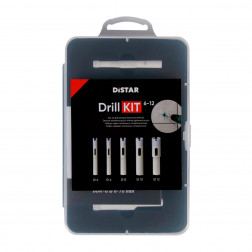
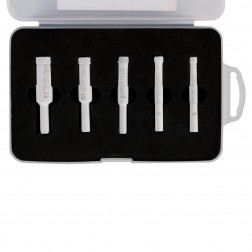
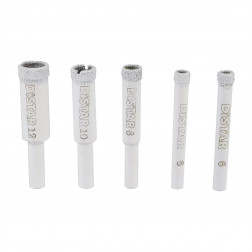
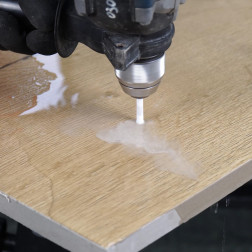
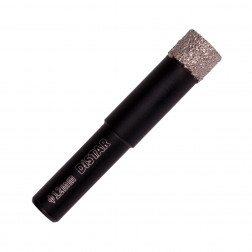
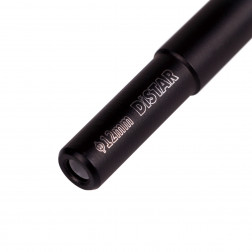
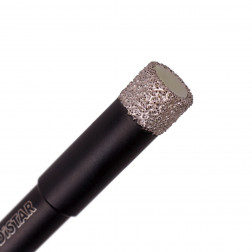
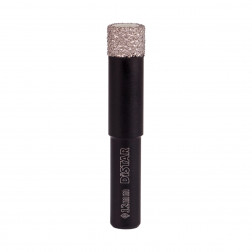

Porcelain stoneware (gres) is a very durable and hard material, which, unlike ceramic tiles, allows it to be laid on the floor. Due to its high strength, working with this material is somewhat difficult, and diamond-coated equipment is used to cut it. Craftsmen often, in addition to cutting porcelain stoneware tiles, also need to perform drilling tasks. Drilling porcelain stoneware is done using special core drill bits.
In practice, not only core bits for porcelain stoneware are used, but also diamond core bits for ceramic tiles, which allow for precise hole-making in various materials.
Diamond Core Bit for Porcelain Stoneware: Benefits of Use
Synthetic diamond is one of the most durable artificial minerals, which is why it easily handles the processing of porcelain stoneware. When using a diamond crown bit for porcelain stoneware, we see several important advantages:
- Wide range of diameters
- Ability to mount on various devices
- Core bits for porcelain stoneware tiles with fine diamond grit (for "clean" holes) are available
- Core bits for porcelain stoneware tiles with coarse diamond grit (for very hard or thick porcelain stoneware) are available
- High material processing speed
- Impressive working lifespan
- Low cost
All of these advantages make crown drill bits for porcelain stoneware the undisputed leader in processing this material.
It's worth noting that Distar's range also includes specialized tools, such as diamond core bits for porcelain stoneware and the verstat-plitkoriz, which further simplify working with tiles.
Thanks to the wide range of professional core bits for porcelain stoneware and various shank types, these professional core bits can be used on the following types of equipment:
- Angle grinder (M14 thread)
- Drill (S10 or S12 shank)
- Hammer drill (S10 or S12 shank)
- Screwdriver (S10 shank)
Types of Porcelain Stoneware Drilling
Unlike hammer drills, drilling a hole with a porcelain stoneware crown bit is done exclusively in non-impact mode, though depending on the type of bit, drilling can be done either dry or with water supply.
Core Bits for Porcelain Stoneware Tiles: Dry Drilling
Dry drilling is mainly used for rough holes that will be hidden (for example, a hole for an outlet that will later be covered by a plastic outlet cover). This is because dry-drilling crown bits for porcelain stoneware for angle grinders are produced exclusively using vacuum sintering technology, which allows only large-fraction diamonds to be used. The larger the diamond used in a porcelain stoneware core bit, the larger the chipping that will occur around the hole. So what are the advantages of this type of drilling?
- Wide range of diameters (from 6 to 70 mm)
- High processing speed for porcelain stoneware (hole in 5-10 seconds)
- Low price
- Ability to work with thick porcelain stoneware
Standard angle grinders are used for dry drilling. The most important parameter for electric equipment used to drill porcelain stoneware is speed control on angle grinders. Depending on the diameter of the crown bit for porcelain stoneware, manufacturers recommend working at different speeds. It's very important to follow these recommendations, otherwise the lifespan of the porcelain stoneware crown bit can significantly decrease.
Dry diamond core bits for porcelain stoneware also work well in this case, allowing you to quickly and effectively make holes in standard floor tiles.
Crown Bit for Porcelain Stoneware: Wet Drilling
Using the wet drilling method with coolant supply, you can make both rough and finishing holes, since wet-drilling crown bits for porcelain stoneware are manufactured using three different technologies, allowing the use of diamonds of various fractions:
- Vacuum sintering (large diamond)
- Electroplating (fine diamond)
- Powder sintering (any diamonds)
This range of porcelain stoneware crown bits makes it possible to find the right consumable for any task: vacuum bits – for drilling thick or very hard porcelain stoneware, electroplated bits – for very clean holes, powder-sintered bits – bits with a high working lifespan for both finishing and rough work.
Impact drills are most commonly used for wet drilling, with hammer drills and screwdrivers used somewhat less often. The popularity of drills for such tasks is due to their high rotation speed and sufficient power for fast drilling.
So what are the advantages of wet drilling?
- Wide range of diameters (from 6 to 120mm)
- Ability to make holes without chipping
- High bit lifespan
- Ability to work with thick porcelain stoneware
It's also worth adding that wet core bits and diamond bits for porcelain stoneware have higher durability and minimize the risk of tile cracking.
Table of Core Bit Diameters and Applications
|
Diameter (mm) |
Application |
|
6–10 mm |
Small holes for anchors, screws, fasteners |
|
20–40 mm |
Passages for water pipes and cables |
|
50–70 mm |
Holes for electrical outlets and junction boxes |
|
80–120 mm |
Larger installation passages, specialized construction work |
Thanks to such a wide range, it's easy to choose the right core bit for tiles, porcelain stoneware, or glazed tiles depending on your needs.
Tips for Choosing a Diamond Core Bit for Porcelain Stoneware
When choosing core bits for porcelain stoneware tiles, pay attention to the following details:
- What type of drilling the crown bit is designed for (dry or wet)
- The shank or thread should match your equipment
- Recommended rotation speed
- Electroplated crown bits should not be used for thick porcelain stoneware tiles
- If you need a bit with a long working lifespan – choose powder-sintered porcelain stoneware crown bits
If you're looking for versatile tools, it's also worth considering core bits for tiles, which work well for small renovation jobs.
What Are the Advantages of Distar Porcelain Stoneware Crown Bits
Distar not only manufactures crown bits for porcelain stoneware but also continuously tests them on various types of porcelain stoneware. Manufacturers of porcelain stoneware tiles are constantly improving their technologies and changing compositions, so there is a trend where porcelain stoneware tiles become increasingly difficult to work with each year. To ensure the processing of porcelain stoneware runs at optimal speed, Distar's testers regularly purchase porcelain stoneware from various manufacturers, test crown bits on it, and improve their compositions to achieve maximum performance and excellent lifespan.
You can buy Distar porcelain stoneware crown bits both in a store in your city and in the online store with delivery available. By purchasing from the online store, you can save the time you would otherwise spend looking for a crown bit in a local shop. By choosing Distar, you're choosing quality core bits for porcelain stoneware.
Thanks to Distar's wide range of products, you can choose both diamond crown bits for porcelain stoneware and core bits for porcelain stoneware tiles, making the offering suitable for users of various skill levels.
Frequently Asked Questions
How do I choose the right size diamond crown bit for porcelain stoneware?
Before you start drilling, you need to clearly understand what diameter hole you need. For example, 70 mm crown bits are used for outlets. After drilling, the hole will be a few millimeters larger than the crown bit itself.
What equipment is best for drilling porcelain stoneware?
The most popular types of equipment for drilling porcelain stoneware tiles are the angle grinder (dry drilling) and the drill (wet drilling). Hammer drills and screwdrivers are used less often, as they have lower rotation speeds, meaning drilling with this equipment takes significantly longer.