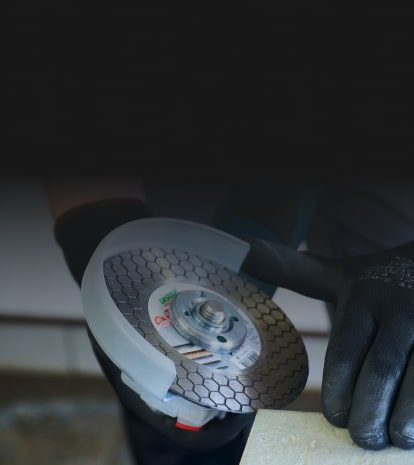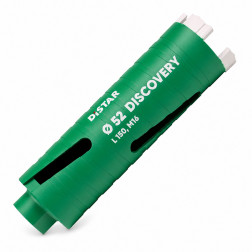
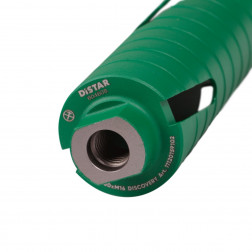
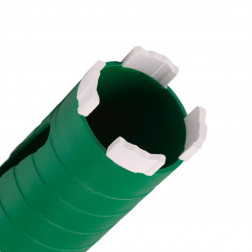
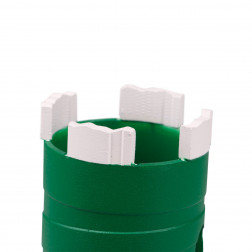
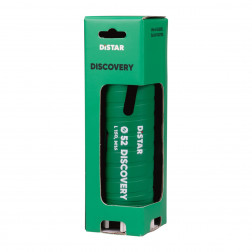
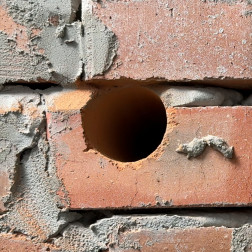
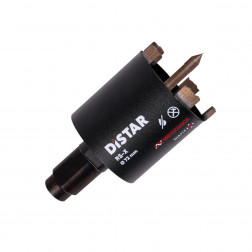
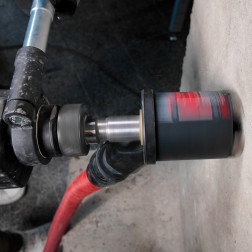
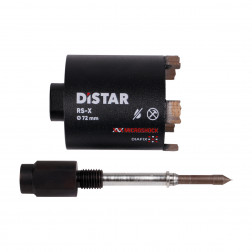
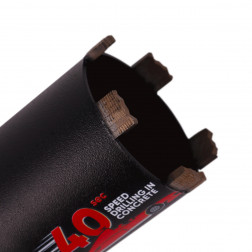
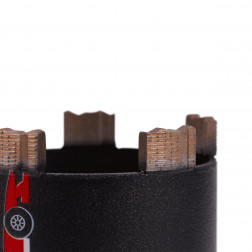
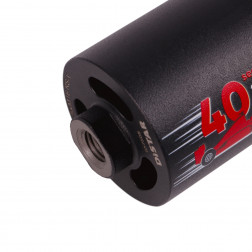
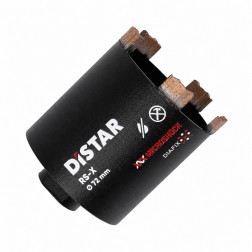
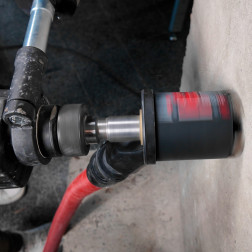
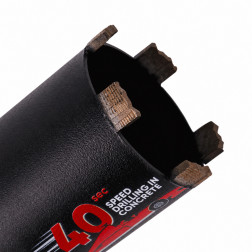
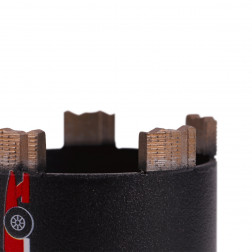
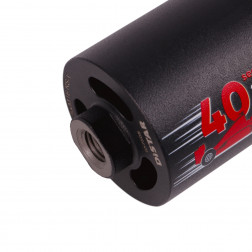
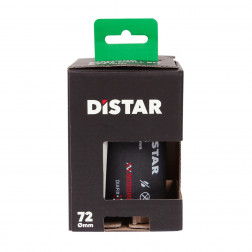
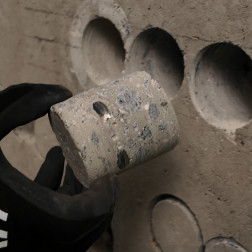
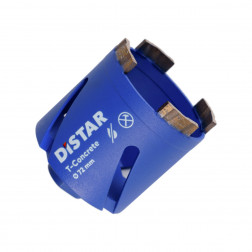
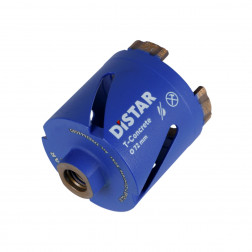
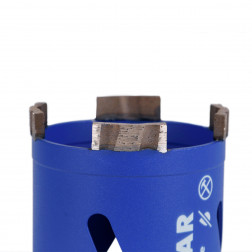
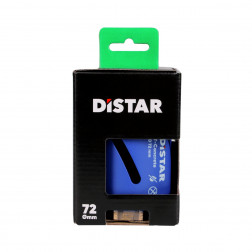
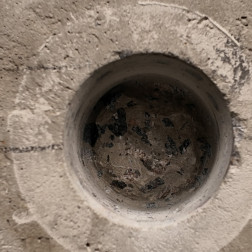
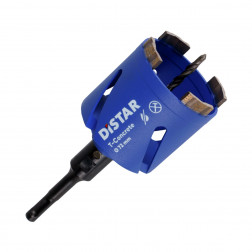
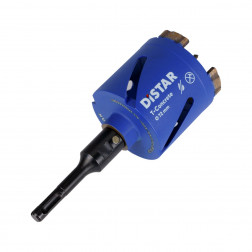
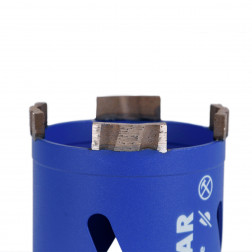
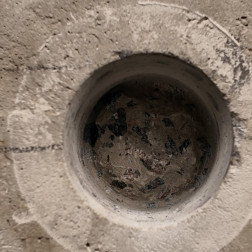
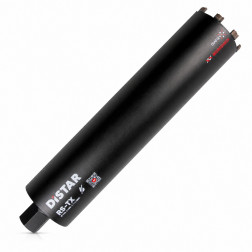
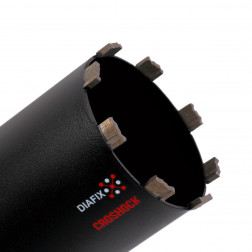
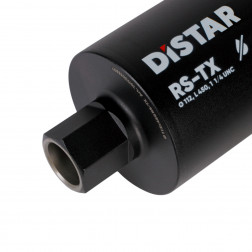
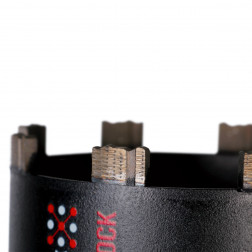
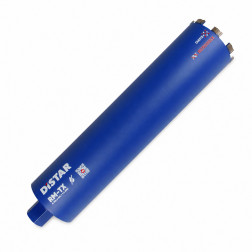
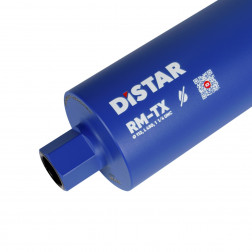
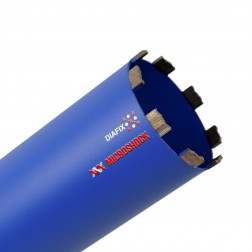
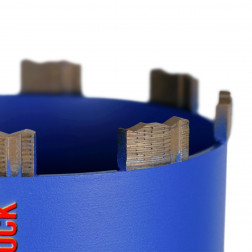
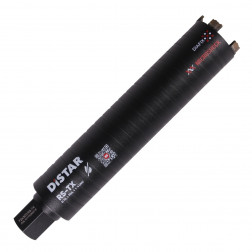
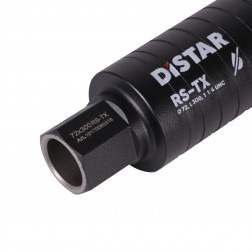
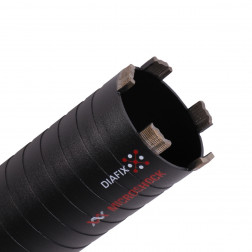
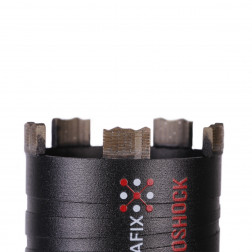
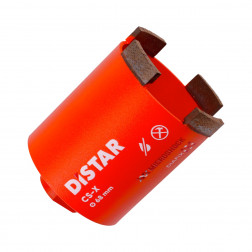
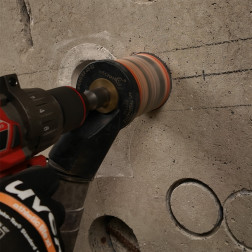
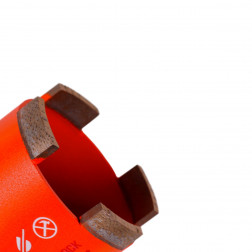
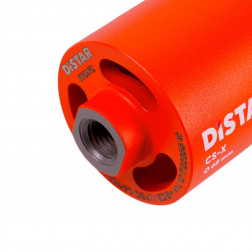
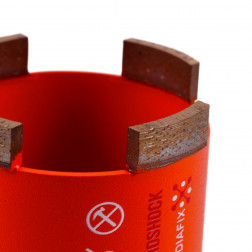
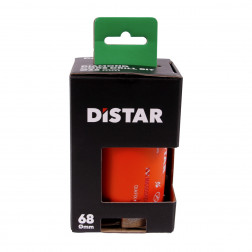
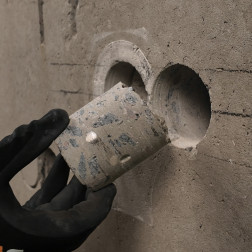
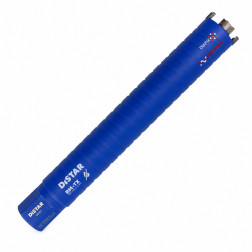
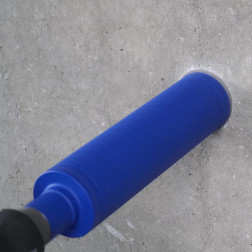
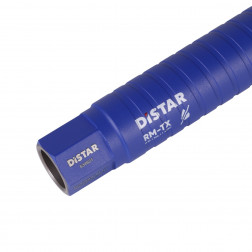
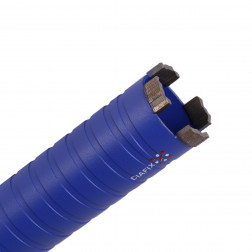
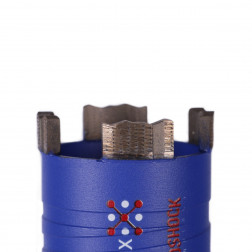
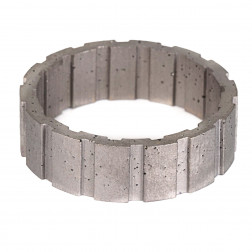
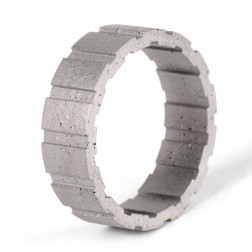
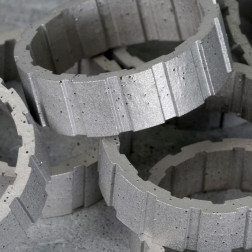
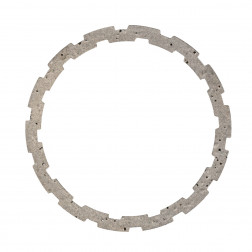
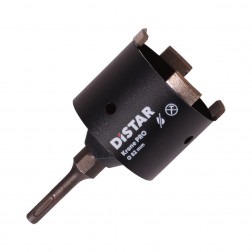
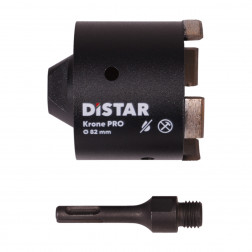
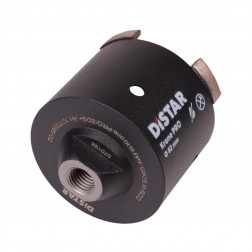
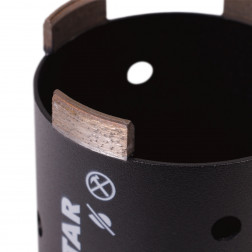
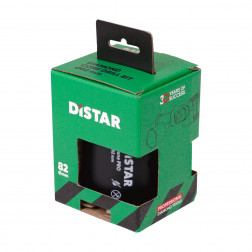
Drilling into concrete, especially reinforced concrete, is mainly done using special drills and crown drill bits. In practice, these tools are often referred to as concrete drilling crown bits, used in installation and construction work. A core bit for concrete has a number of advantages compared to standard carbide bits, but also has certain characteristics that should be considered when choosing. The bit must be properly matched to the hardness and structure of the concrete to ensure maximum work efficiency. Modern diamond bits for concrete are essential when drilling holes in various types of concrete – from lightweight to reinforced. For reinforced concrete structures, the best solution is a core bit for reinforced concrete, designed to work with metal within the concrete structure.
Core Bit for Concrete: Usage Characteristics
Several types of concrete core bits are used for drilling concrete. Depending on the application, this could be a core bit for masonry, structural concrete, or reinforced concrete. Some are designed for dry operation, others can only work with water cooling in the cutting zone. It's very important to use concrete crown drill bits according to the manufacturer's recommendations, otherwise the tool can be damaged and the task not completed. A well-chosen bit increases work safety and minimizes the risk of surface damage.
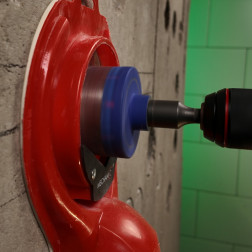
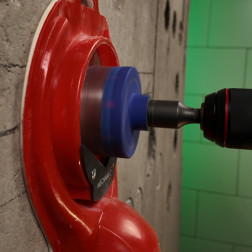
Concrete core bits designed for operation without water are typically used in freshly renovated rooms, where water splashing is undesirable. Their advantage is dust- and dirt-free operation using a special industrial vacuum extractor and dust-extraction attachment. Since dry drilling involves greater heating of the concrete crown drill bit, it's not recommended for use on heavily reinforced concrete. Even when drilling regular concrete, care should be taken to prevent the concrete crown bit from overheating. For this purpose, it's worth using bits specifically designed for the particular type of concrete.
Professional drilling in reinforced concrete is only possible using water-cooled diamond core bits, which ensures safe and efficient work. In this case, a special diamond core bit for concrete is used, designed to handle high loads.
If you need to make a hole in heavily reinforced concrete, it's better to use a wet-drilling core bit for reinforced concrete. You can also use a dry-drilling diamond bit for concrete for this task, but the speed of such work will be significantly higher. The main advantages of wet-drilling crown bits are the ability to work with the toughest, most heavily reinforced concrete and a high material processing speed. Proper cooling is also key here, protecting the bits from overheating. This also enables precise drilling in reinforced concrete, where standard bits fail.
Advantages of Diamond Drilling Crown Bits for Concrete
Compared to standard carbide crown bits, a diamond crown drill bit for concrete has a number of undeniable advantages:
- Accurate and even hole
- Deep holes (depths over 1 meter)
- Large hole diameters (up to 600 mm)
- High durability
- Can be re-sharpened/restored
- High performance
- Minimizes construction waste
- No vibration or impact loads on the structure
- Ability to drill through metal within the structure
A well-chosen diamond crown bit for concrete guarantees a fast drilling pace and minimal tool wear. These obvious advantages make the diamond drilling crown bit for concrete the number-one choice for drilling tasks in concrete, brick, and various concrete products. In practice, a single concrete crown bit can replace several classic impact drill bits. Thanks to diamond tubular core bits for concrete, many construction tasks can be accomplished that even the best carbide bits cannot handle. Indispensable in this regard is the diamond core bit for concrete, which combines drilling precision with exceptional wear resistance. Although the price of concrete core bits is usually significantly higher than that of carbide bits, this is offset by the ability to handle a wider range of tasks and their high durability. However, it's worth remembering that drilling quality always depends on a well-chosen bit.
How to Choose a Concrete Crown Drill Bit
When choosing a concrete core bit, many different factors should be taken into account:
- Material to be processed
- Crown bit diameter
- Crown bit type (dry or wet)
- Mounting thread
- Drilling depth
- Optimal working rotation speed
The compatibility of working components, such as the core bit's shank, with your existing equipment also matters.
|
Material Type |
Recommended Tool |
Drilling Method |
|
Lightweight concrete, masonry |
core bit for masonry |
Dry |
|
Structural concrete |
concrete drilling crown bit |
Dry / wet |
|
Reinforced concrete |
core bit for reinforced concrete |
Wet |
|
Reinforced concrete, M400+ grade |
diamond core bit for concrete |
Wet |
|
Brick, hollow block |
crown bit for concrete |
Dry |
Material to Be Processed
Concrete, which we may encounter during drilling, has two basic parameters that affect its processing:
- Abrasiveness – the concrete's ability to wear down the diamond crown bit.
- Hardness – the concrete's ability to resist the diamond bit penetrating it.
These two parameters are inversely proportional – the higher the hardness, the lower the abrasiveness, and vice versa. When processing highly abrasive materials, concrete core bits (or concrete crown bits) wear out significantly faster, but at the same time, the processing speed for such material increases. We can distinguish three categories of abrasiveness for construction materials:
- High abrasiveness – plaster, hollow block, silicate brick, aerated concrete, unreinforced concrete grade M150 and below.
- Medium abrasiveness – refractory brick, concrete grade M150 – M400 with a small amount of reinforcement.
- Low abrasiveness – concrete grade M400 and above with heavy reinforcement, hydraulic engineering concrete.
Virtually any bit can process abrasive materials, but for tough, less abrasive concretes, especially those with heavy reinforcement, specialized concrete crown drill bits must be selected. The bit's length also matters – appropriately extended models should be used for deep holes.
Tasks to Be Performed
In diamond tool stores, you can find many diameters of concrete drill bits – from 42 to 600 mm. What tasks are they designed for?
- Concrete core bits 32-42 mm – gas and water pipes
- Concrete crown drill bits 52-62 mm – air conditioners
- Concrete core bit 68-72-82 mm – holes for outlets and junction boxes
- Concrete core bit 82-132 mm – holes for heat recovery units
- Concrete crown drill bits 112-122 mm – extractor fans
- Concrete core bit 100 mm – ventilation
- Concrete core bit 120 mm – holes for sewage pipes
Concrete crown drill bits above 150 mm – demolition work, installation of industrial ventilation and air conditioning systems, and other industrial tasks
Thanks to diamond core bits for concrete, you can make a hole of any diameter and depth, commonly found in residential and industrial construction. When deep holes need to be drilled, special extensions are used, mounted between the equipment's shaft and the bit. Thanks to numerous extensions, holes deeper than 1 meter can be made without difficulty.
Advantages of Buying Concrete Core Bits from Distar
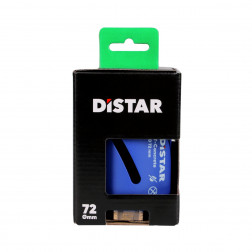
Thanks to a convenient website, buying a Distar crown bit becomes very quick and easy. All types of concrete core bits shown on the website undergo continuous quality control under real working conditions. This approach allows you to see directly on the website the estimated working time and the speed at which a given crown bit will process material. This enables an even more accurate bit selection.
On the Distar website, you can check not only the technical parameters but also compare diamond core bit prices and choose the best model for your task.
A second important advantage is the wide product range. You can find crown bits for every type of power equipment (hammer drill, impact drill, water-fed diamond drill, diamond drill with micro-impact, etc.). And of course, the range of bit diameters lets you select concrete crown drill bits suited to your task.
A few other important advantages – affordable pricing and delivery available to any city. By buying Distar concrete core bits, you're voting for high product quality and maximum convenience of service!
Concrete Core Bit – Which One Should You Buy?
Many users wonder: which concrete core bit should I buy? The choice depends on the hole diameter, the type of concrete, and the working method (wet or dry). That's why it's worth checking the manufacturer's recommendations to select the right tool.