Core drills Ceramic
39 models


Sort:
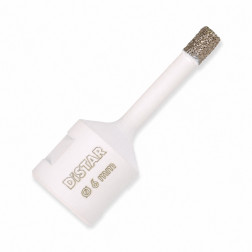
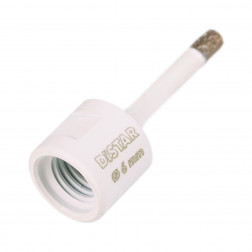
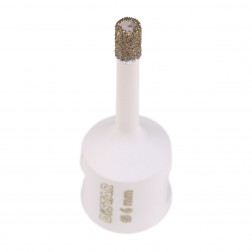
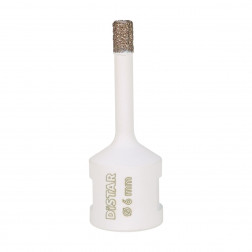
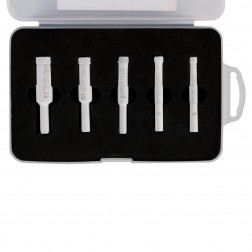
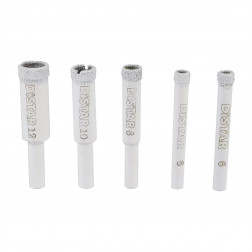
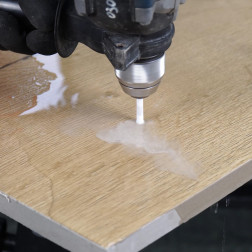
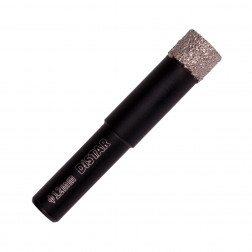
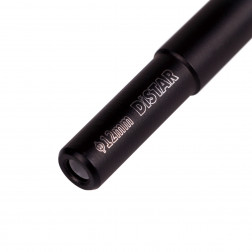
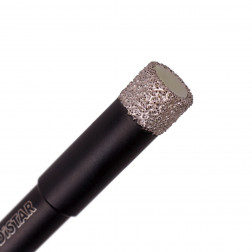
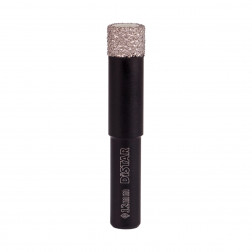

Choosing a Diamond Core Bit for Tiles
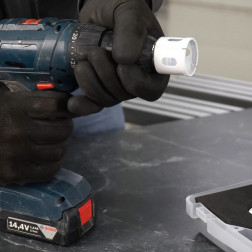
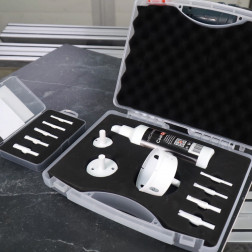
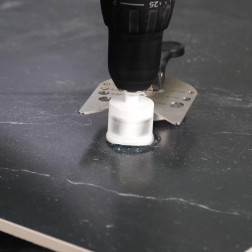
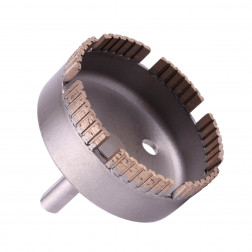
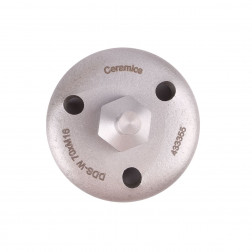
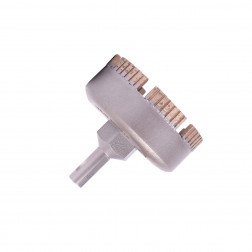
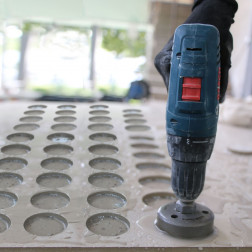
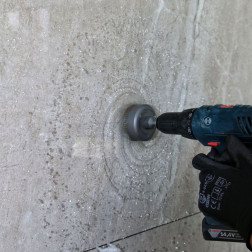
Installing tiles indoors means not only cutting to size but also drilling holes for electrical wiring, water lines, and other tasks. Specialized diamond drill bits are used for drilling tiles. Core bits for tiles are most often used with drills and screwdrivers, somewhat less often with hammer drills, and even with angle grinders. In practice, core bits for ceramics are also used, especially when installing fixtures in bathrooms and kitchens. There are two types of diamond core bits for tiles – for dry drilling and for wet drilling. It's very important to use diamond drill bits for tiles exactly in the mode specified by the manufacturer. Diamond crown bits for ceramics are also very popular in this category, providing clean and precise hole edges.
Dry Core Bits for Tiles
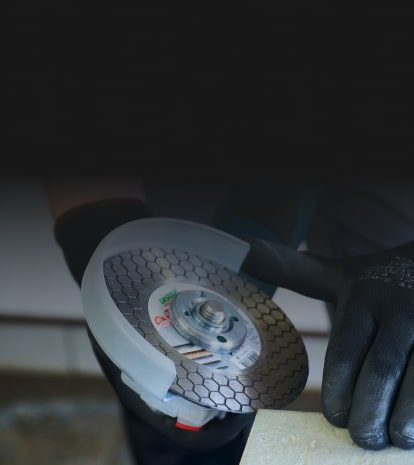
Diamond core bits for drills that operate dry are most often used on angle grinders. This is because the electrical safety rating of an angle grinder doesn't allow for operation with a coolant supply. When drilling tiles with an angle grinder, it's worth remembering that different diameters of diamond core bits for ceramics require different angle grinder rotation speeds. This also applies to applications such as core bits for outlets, where precision and work stability are critical. All manufacturers of diamond equipment indicate the optimal speeds for their core bits. Core bits for glazed tiles designed for dry operation have several key characteristics.
Manufacturing Method
Core bits for glazed tiles for dry drilling are manufactured using vacuum sintering. This method involves applying high temperatures and pressure, which allows the diamonds to be securely bonded to the surface of the glazed-tile bit. Because of this, only large diamonds are used in core bits for glazed tiles, providing maximum drilling performance. This solution also works well with structural materials, where core bits for hollow ceramic blocks are used.
Bit Lifespan
A tile drill bit made using vacuum sintering has a relatively low lifespan. This is because the large diamonds used in the manufacturing process, while efficient, wear out faster. That's why such bits are recommended for smaller workloads or for tasks requiring high precision over short sections. An alternative could be tile drill bits with a finer diamond grit, used for more delicate finishing work.
Drilling Speed
Due to the large diamonds and high angle grinder speeds, dry drilling happens very quickly. This process is especially effective on hard materials such as porcelain stoneware tiles. Typically, drilling a 10 mm diameter hole in porcelain stoneware takes 4 to 10 seconds. This makes the tile core bit an ideal tool for those who value time and efficiency in their work. A diamond core bit for tiles is often also chosen for very hard surfaces.
Mounting Hole
Diamond drill bits for tiles with an M14 thread are used for work with angle grinders. This thread standard ensures the bit is securely attached to the tool and minimizes the risk of slipping during work. Additionally, M14 is a universal standard that fits most angle grinder models, making the glazed-tile core bit a convenient and compatible solution for various types of equipment. This applies both to tools like tile core bits and to accessories designed for ceramics and porcelain stoneware.
Bit Diameter
The glazed-tile core bit for dry tile processing has a wide range of diameters, from as small as 6 mm up to 70 mm. This range allows for a variety of tasks, from drilling small holes for fasteners to creating large process openings. The wide selection of diameters makes this versatile equipment for both home and professional use. For more precise finishing work, a special tile router bit can also be helpful.
Dry-operating tile core bits are most often used for rough holes that will be hidden by decorative elements or simply concealed from view.
When processing tiles with dry ceramic core bits, it's worth remembering that the bit can get very hot during tile processing, so if you need to make many holes – it's best to work with breaks so the tile core bit has time to cool down.
Wet Core Bits for Tiles
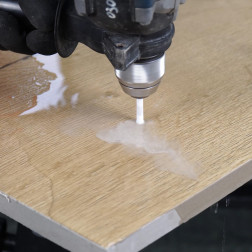
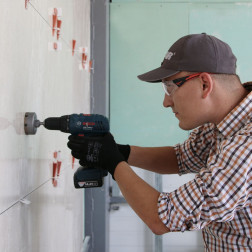
Core bits for tiles designed for coolant-supplied operation are used on drills, screwdrivers, and even hammer drills. Screwdrivers and hammer drills have low rotation speeds, so tile processing takes longer. Drills, on the other hand, rotate at around 2000 rpm, allowing for much faster hole-making. These bits have a special S10 or S12 shank, which is clamped into the three-jaw chuck of a drill, hammer drill, or screwdriver. This solution is often chosen for installations requiring many precise holes, e.g., for electrical boxes.
In total, there are 3 different manufacturing methods for wet-operation diamond core bits for porcelain stoneware.
Vacuum Sintering
Vacuum-sintered bits are designed for both dry and wet tile processing. Their main characteristics are relatively low lifespan, significant chipping during processing, and the highest drilling speed.
Electroplating
Electroplated tile core bits use very fine diamonds, which gives them a low cutting speed but excellent hole edge quality. There is practically no chipping after working with an electroplated diamond bit for tiles. The lifespan of such core bits is low.
Powder Sintering
Powder sintering allows diamonds of any size to be used, so such bits can have either fine diamonds for finishing work or large diamonds for rough tile processing. The main advantage of such tile core bits is a high working lifespan. This results in a minimal cost per hole.
When working with a diamond bit for tiles, it's important to supply enough coolant so the tile bit doesn't overheat.
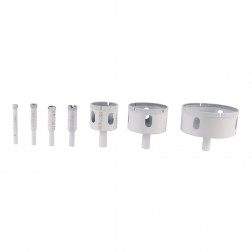
Wet-drilling tile core bits come in a wider range of sizes than dry-drilling ones – 6, 8, 10, 12, 14, 16, 18, 20, 25, 30, 35, 40, 45, 50, 70, 100, 120, and 130 mm. This allows for a wider range of tasks to be handled with wet tile drilling.
Useful Tips
- Drilling tiles requires some skill, but it can be quickly acquired by following useful recommendations that will help you cut tiles to the highest quality:
- Before starting to drill, it's important to make very precise markings on the tile.
If you want to minimize chipping while drilling, you can apply masking tape at the site of the future hole and drill through it. - The first contact of your ceramic tile core bit with the tile must be made at an angle significantly less than 90 degrees. Optimally 50-60 degrees. As the diamond tile bit drills a groove into the tile, this angle should be gradually straightened to 90 degrees.
- Throughout the entire drilling process, the tilt angle of the bit relative to the tile should be varied. It's optimal to vary the angle between 80 and 90 degrees. This helps remove dust or water slurry from the drilling zone and improves cooling of the glazed-tile core bit.
- When exiting the material, try to maintain a 90-degree angle and stop rocking the bit.
- After completing a hole, remove the drilled-out material from the bit before moving on to the next hole.
- Always follow the manufacturer's guidelines regarding coolant use and optimal drilling speeds.
Thanks to these tips, you'll not only be able to complete your tasks effectively, but also extend the lifespan of your tools, such as diamond drill bits and ceramic tile core bits.
Frequently Asked Questions
What rotation speed should an angle grinder have when drilling tiles?
Different bit diameters require different angle grinder spindle rotation speeds. All manufacturers of diamond equipment provide recommended speeds for all diameters in their instructions, regardless of whether a tile jigsaw or a tile crown bit is being used. To be able to use any tile drill bits, you need an angle grinder with adjustable speed from 2800 to 11,000 rpm, and you should follow the core-bit manufacturer's recommendations.
How can I extend the lifespan of a diamond core bit?
Regularly clean the core bit of material residue, avoid overheating by letting the equipment cool down, and use the crown bit strictly according to its intended purpose.
Can one diamond core bit be used for different types of tiles?
Yes, a single diamond core bit for tiles can be used on different types of tiles, but its effectiveness depends on the hardness of the material. If you notice the core bit has started working more slowly on a particular material, you need to sharpen it. To do this, make a few holes in a softer, more abrasive material (ceramic tile or silicate brick).
What rotation speed should an angle grinder have when drilling tiles?
Different tile drill bit diameters require different angle grinder spindle rotation speeds. All manufacturers of diamond equipment provide recommended speeds for all diameters, regardless of whether a tile jigsaw or tile crown bits are being used.