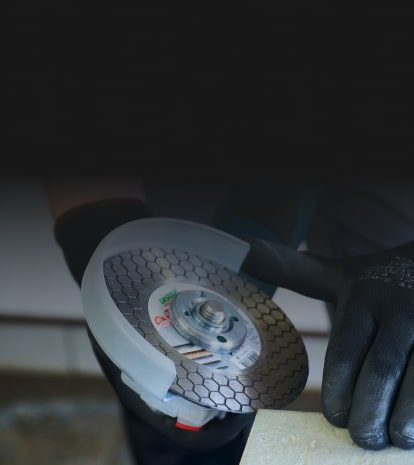
Diamond blades for Small grinder
9 models


Sort:
NEW
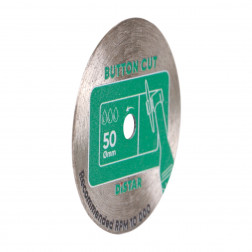
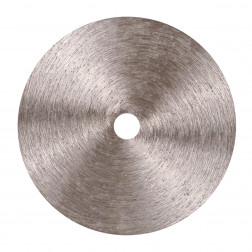
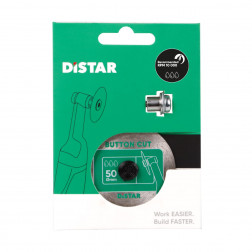
NEW
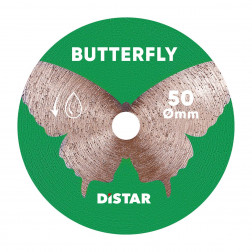
NEW
NEW
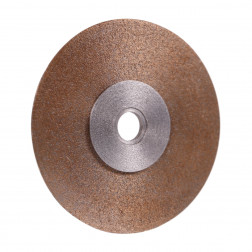
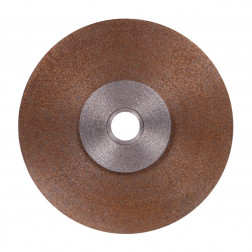
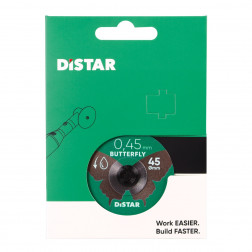
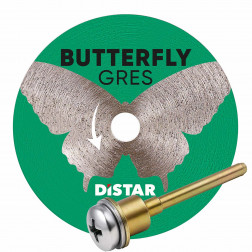
NEW

NEW
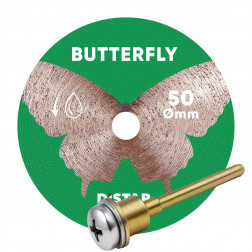
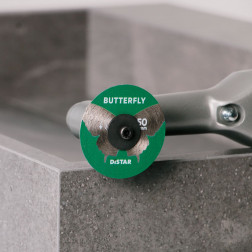
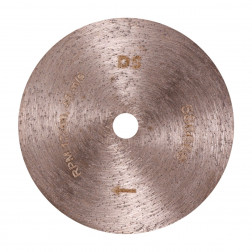
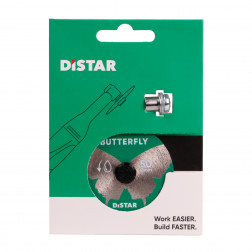
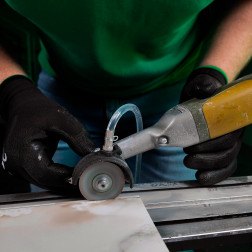
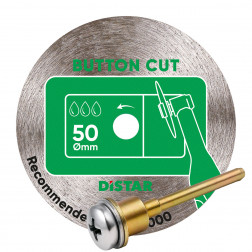
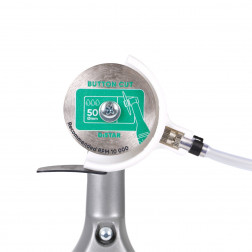
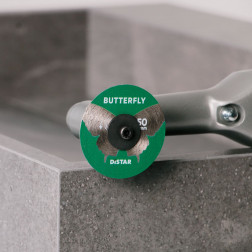
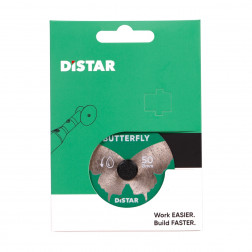
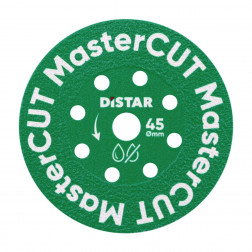
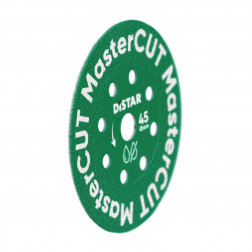
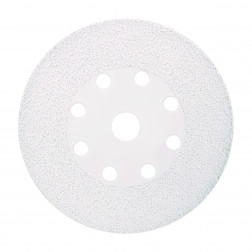
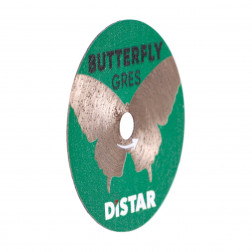
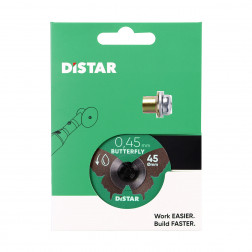
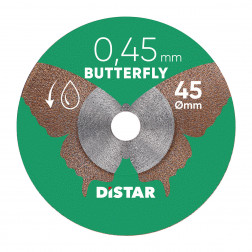
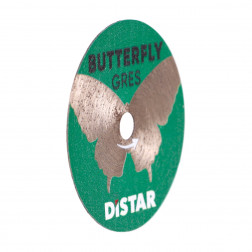
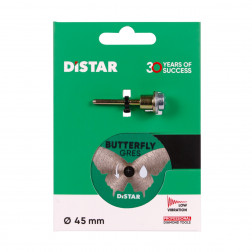
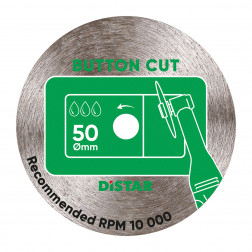
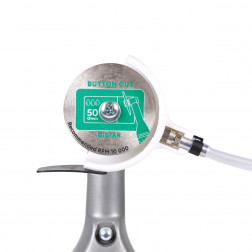
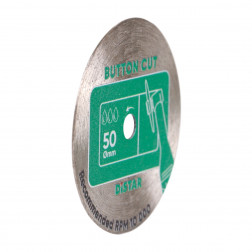
Diamond disc for engraver — for precise and clean cutting
Modern work with porcelain stoneware and tiles requires not only experience but also the most precise tools available. A standard angle grinder often causes chipping, overheats the material, or simply cannot deliver the jeweller-level accuracy required. That is why professionals increasingly choose engravers and mini grinder discs equipped with high-quality mini diamond discs that guarantee clean cuts, minimal kerf width, and stable performance even with the hardest materials.
Why use an engraver disc?
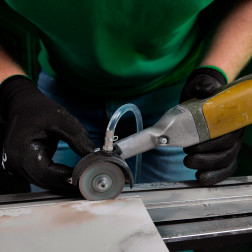
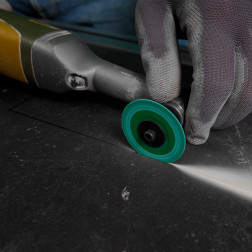
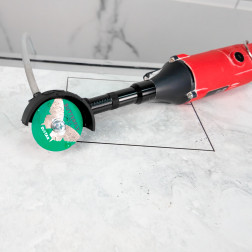
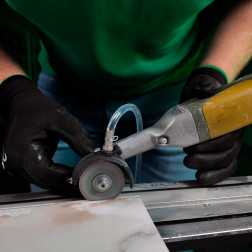
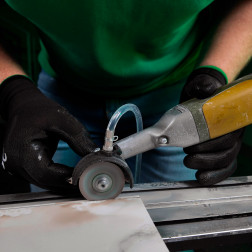
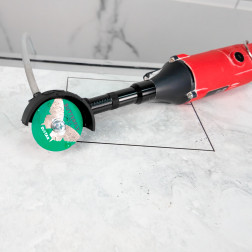
An engraver fitted with the right mini grinder disc enables ultra-precise cuts, decorative elements, openings for fittings, concealed systems, and electrical installations. The result is a clean, chip-free cut that cannot be achieved with a traditional tile cutter. A mini diamond disc for precise detail work is also an excellent choice for such tasks.
Main advantages of an engraver with a diamond disc:
- minimal kerf width — approximately 0.6–0.8 mm;
- ability to work in hard-to-reach areas using mini grinder discs;
- full control of movement and speed for jeweller-level precision;
- safe cutting of thin, decorative details using mini cutting discs.
What makes a good engraver disc?
To achieve a perfectly clean result, choosing the right diamond disc for a mini grinder is essential. It determines the shape, cleanliness, and accuracy of the cut.
Key selection parameters for engraver discs:
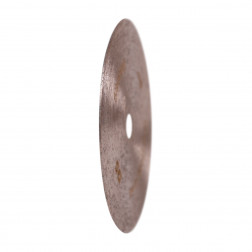
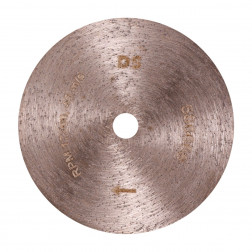
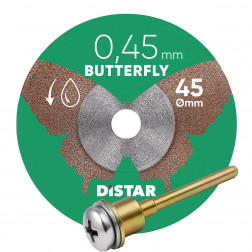
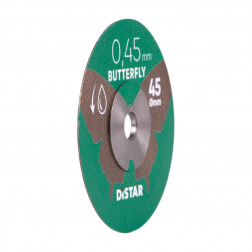
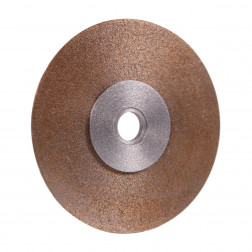
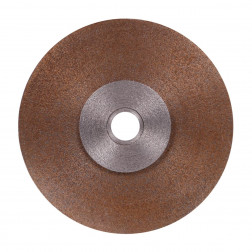
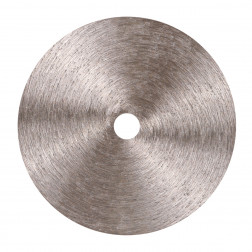
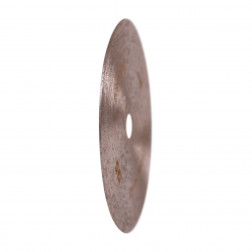
- Disc type. A solid, thin segmentless mini diamond disc is best suited for an engraver — it delivers the cleanest cut.
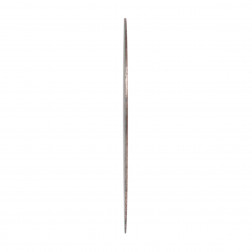
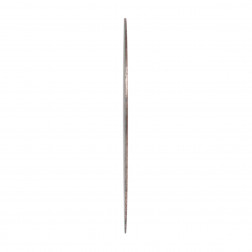
- Thickness. The optimal thickness is 0.6–0.8 mm. Thicker discs generate more heat and reduce precision.
- Diameter. 45–50 mm is the most commonly used size — fully sufficient for tiles of 8–10 mm thickness.
- Diamond edge type. Sintered — the most durable and longest-lasting, especially in mini diamond disc products.
Where are mini grinder discs used?
This type of disc, including the mini grinder disc, has become indispensable in professional and bespoke tile processing. The most common applications include:
- creating openings for switches, sockets, and lighting;
- shaping decorative elements in premium projects;
- cutting channels for concealed systems using mini cutting discs;
- jeweller-level edge processing and fine line work using a mini disc.
Tips for working with a diamond engraver disc
Correct technique has a major impact on cut quality and disc longevity, whether you are using a diamond disc for a mini grinder or a classic engraver disc.
Recommendations for professionals:
- start at medium speed and increase gradually;
- do not make a full-depth cut in one pass — it is better to remove 3–4 mm per pass;
- use cooling (water, spray bottle);
- do not press the tool — an engraver cuts through speed, not pressure;
- keep the disc perfectly perpendicular to the surface.
Following these guidelines extends disc service life and prevents overheating. With the correct technique, cuts will be maximally clean, free of chipping and micro-cracks.
Why do professionals choose Distar?
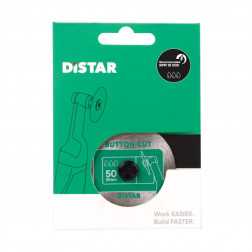
A mini grinder disc needs to combine a thin construction with durability and long service life. These are precisely the qualities of the Distar diamond engraver disc, which delivers an exceptionally clean kerf and enables work with porcelain stoneware and tiles without the risk of chipping.
A properly selected engraver disc enables the execution of complex projects, clean openings, cuts, and decorative elements. Choose a high-quality diamond disc for a mini grinder, work with cooling, and apply the correct technique — and the result will be perfect.