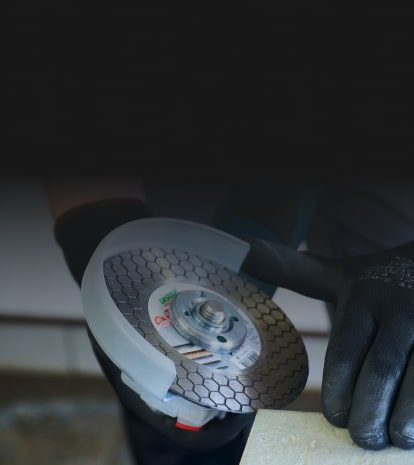
Diamond cup grinding discs for ceramics
27 models


Sort:
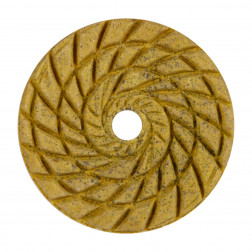
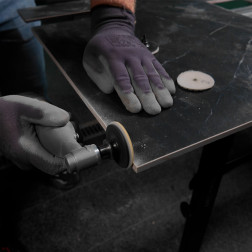
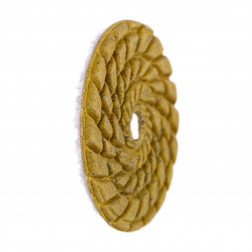
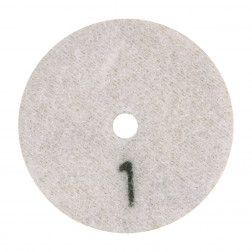
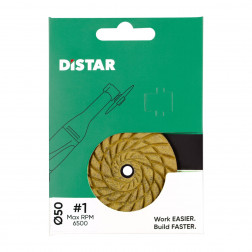
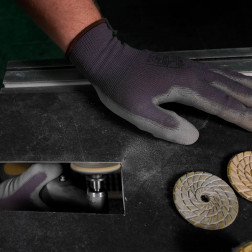
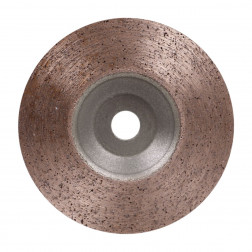
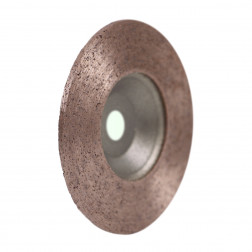
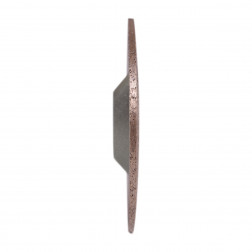
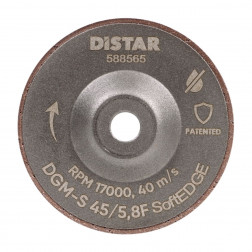
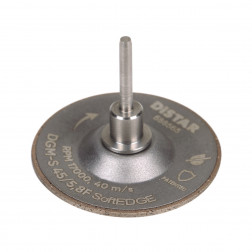
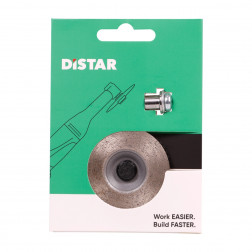
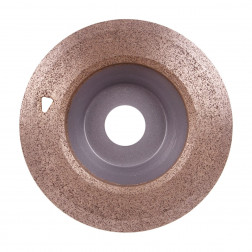
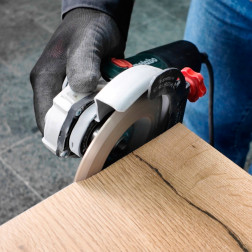
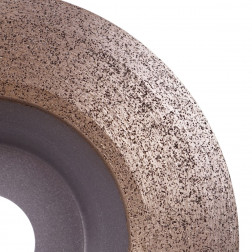
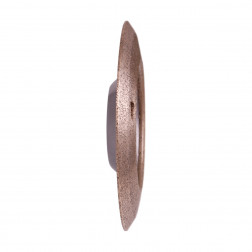
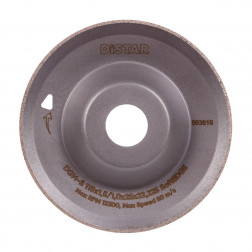
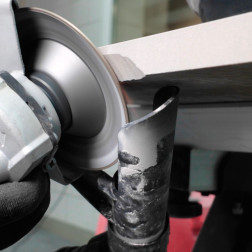
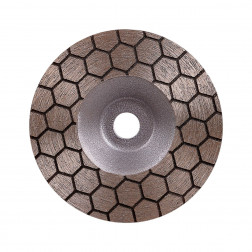
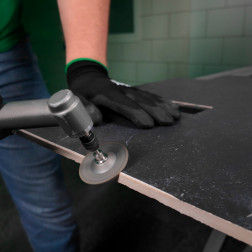
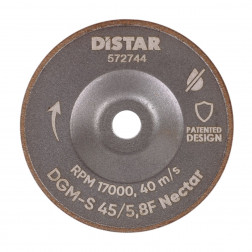
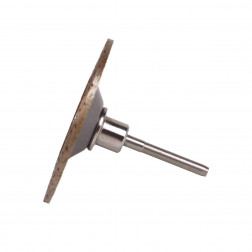
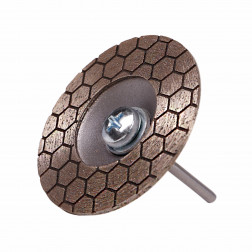
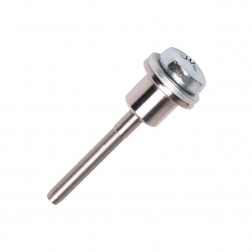
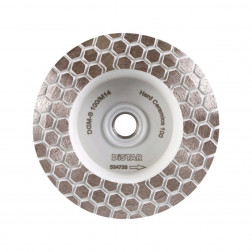
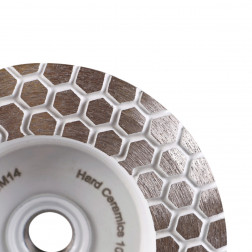
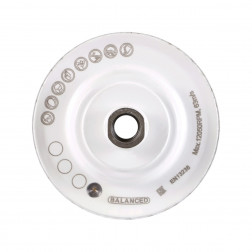
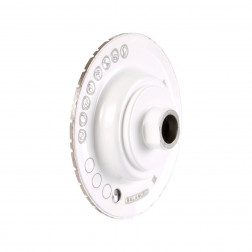
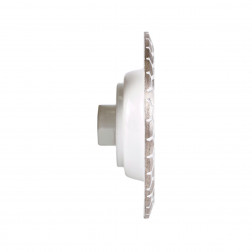
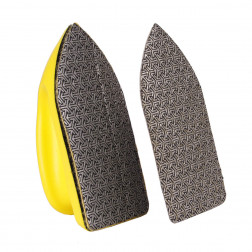
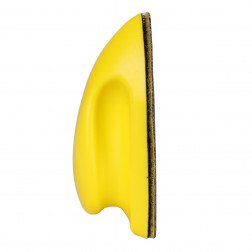
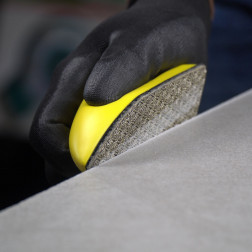
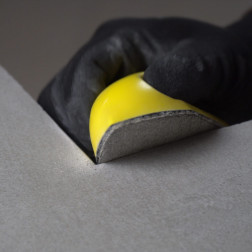
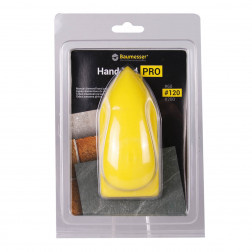
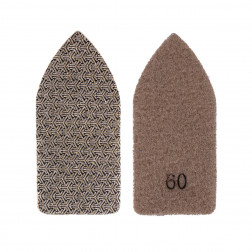
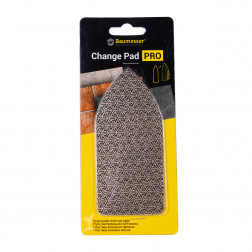
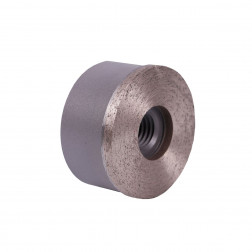
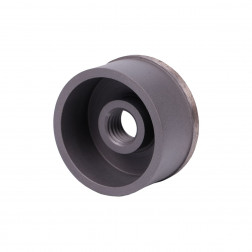
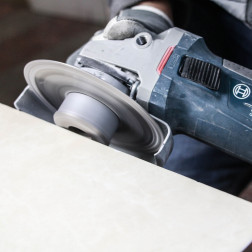
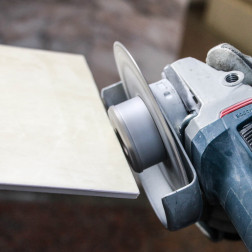
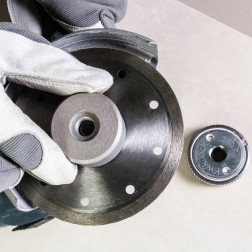
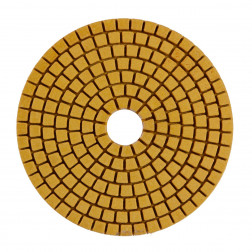
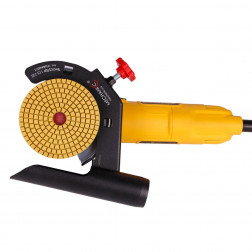
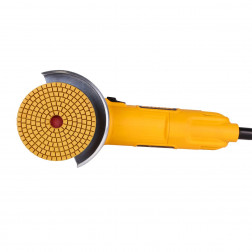
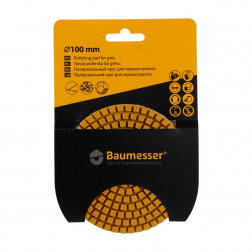
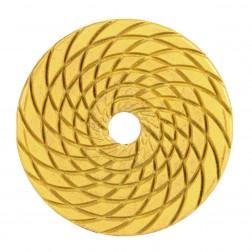
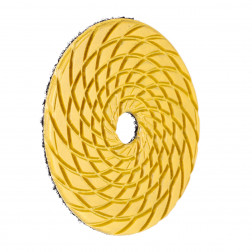
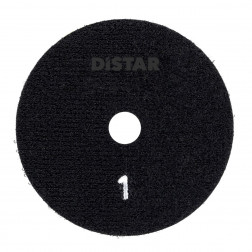
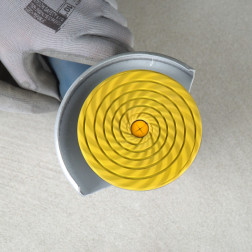
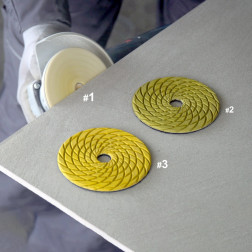
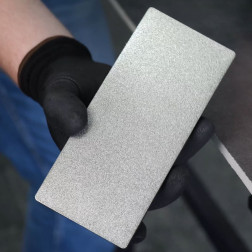
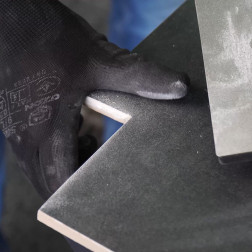
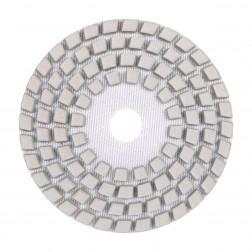
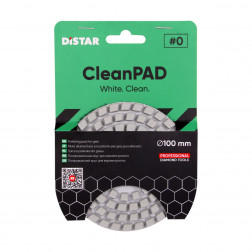
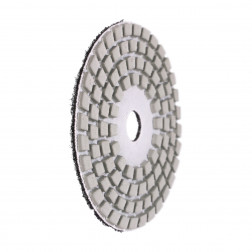
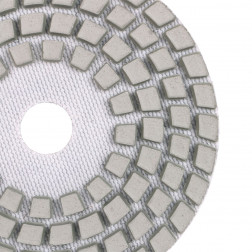
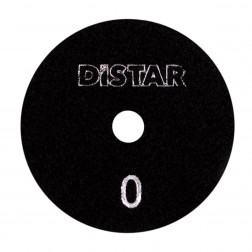
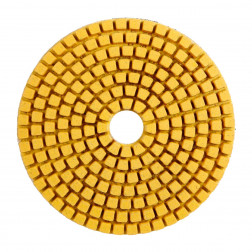
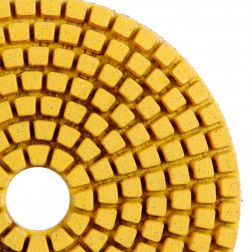
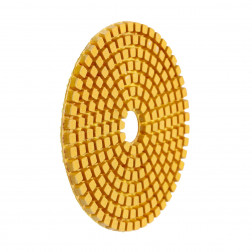
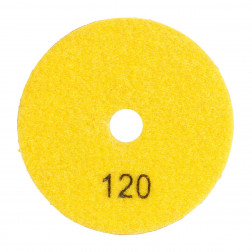
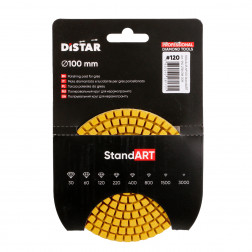
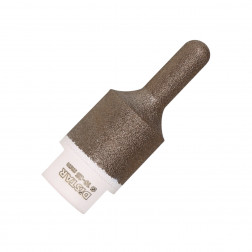
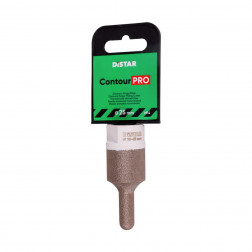
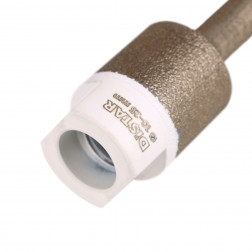
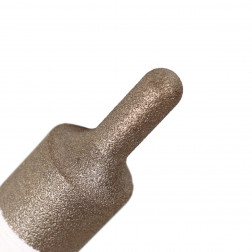
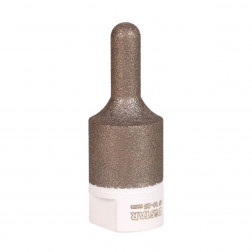
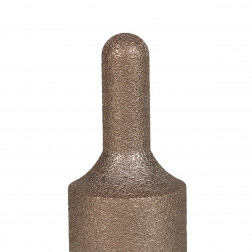
After cutting the tile to the required size using a diamond blade, no matter how clean the tile edge is, it is additionally processed. Professionals often need to form tile corners, which requires cutting the tile at a 45-degree angle or grinding it. For edge processing and grinding 45-degree angles, special grinding discs for ceramics are used. Some types of grinding discs are used for chamfering tile edges at a 45-degree angle, while others are used for edge processing. Let’s take a closer look at the topic of tile processing using a tile chamfering disc and find out which tool should be used for specific tasks.
Performed operations
With a ceramic tile grinding disc, a huge number of different operations can be performed, which are divided into two categories: cleaning and roughing.
Roughing operations
These are operations intended for rough processing, after which additional processing will be carried out using cleaning grinding discs for ceramics. The most common roughing operation for ceramics is cutting at a 45-degree angle. Some professionals do this using diamond blades and then process it with tile grinding discs, while others fully form the 45-degree angle using a milling cutter.
What are the characteristic features of such a tool as a tile grinding disc?
- Metal body
- Metal bond with diamonds
- The diamond layer has various indentations and protrusions
- Large diamond grit
- Optimal rotation speed above 10,000 rpm
Thanks to the large diamond grit and indentations in the diamond layer, a high grinding speed of ceramic tiles is achieved, but the main disadvantage is that chips may be visible on the edge. Therefore, professionals try not to approach the edge too closely with such tile grinding discs.
Cleaning operations
Cleaning operations in ceramic grinding are performed directly before installation and are aimed at giving the tile the most aesthetic appearance possible and smoothing all chips and irregularities. Such operations include:
- Leveling the tile face
- Creating uniform chamfers on edges
- Polishing chamfers and edges
- Removing irregularities after cutting at a 45-degree angle
- Polishing 45-degree angles
- Removing visible chips from the tile edge
Since these are finishing operations, they should not be performed with a regular metal diamond grinding disc for tiles; instead, special polishing wheels are used. Their main differences from metal diamond grinding discs for tiles:
- Soft organic bond with diamonds
- Very fine diamond grit
- Mounted on a flexible base for polishing
- Operate at reduced speeds (2000 - 5000 rpm)
Thanks to such ceramic tile grinding discs, it is possible to create perfectly neat and aesthetically beautiful corners and joints of tiles.
Features of tile grinding discs
Tile grinding disc diameters
There are several popular diameters of tile chamfering discs used by tile installation professionals:
- 125 mm
- 115 mm
- 100 mm
125 mm cutters are most often used for surface preparation before tile installation.
115 mm is a popular diameter for rough tile processing cutters.
100 mm are organic polishing wheels for finishing operations.
Grinding speed
All types of tile grinding discs are designed for processing tiles using an angle grinder, but they can operate at different speeds. A very important criterion when choosing an angle grinder for tile grinding is the ability to adjust the speed. Grinding discs for finishing operations must not operate at maximum speed of the angle grinder, as they overheat significantly and also overheat the material. As a result, the processed part of the tile will have discoloration, and the grinding will not be properly completed. On the other hand, rough grinding discs perform their tasks most efficiently at maximum angle grinder speed, and if it is reduced, chips will become significantly larger and the grinding process will be slower.
Advantages of the Distar diamond tool brand
For several years, the processing of ceramic tiles and porcelain stoneware has been the main development direction of Distar. During these years, many well-known and unique products have been introduced to the market, helping professionals perform their work quickly and efficiently. Such products also include tile grinding discs, of which the company offers a wide range. Among Distar products, you can find:
- Grinding wheels for surface preparation
- Rough and finishing tile grinding discs
- Diamond polishing discs
- Bases for polishing discs
- Various devices for chamfering, grinding at 45 degrees, and dust extraction during work
Without leaving your home, you can check prices and buy tile grinding discs from Distar. All this is possible thanks to the company’s modern website, which is a full-fledged online store with many convenient features:
- Filtering and sorting tools by processed material/equipment/diameter, etc.
- Many useful articles and tips on tool usage
- Promotional videos about tool operation
- Map of sales points
- Order placement and delivery to any city
FAQ
What is important when choosing a tile grinding disc?
The most important thing to consider when choosing a grinding disc is the operation to be performed. It is not worth buying one grinding disc for all occasions, as this will lead to improperly performed work. In addition to the type of operation, it is also important to pay attention to such details as: recommended working speed, mounting method on the angle grinder, and disc diameter.
How durable are tile grinding discs?
With ceramic grinding discs, it is possible to grind more than 50 kg of ceramic tiles into dust, and with some even over 100 kg (depending on the cutter). Polishing discs have a smaller lifespan because they are used for more precise work. Their lifespan is measured in several kilograms of removed material.